What Is a Mommy Makeover and Why Are Multiple Procedures Combined?
 ChatGPT
 Perplexity
 Claude
 Grok
A Mommy Makeover is an individually planned programme of surgery designed to address changes in the body after pregnancy and childbirth. It most commonly involves procedures on the abdomen and breasts, as these areas often undergo the most noticeable changes.
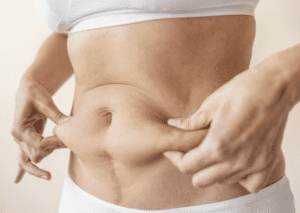
During pregnancy, the abdomen expands, stretching the skin and connective tissues of the abdominal wall. After childbirth, the tissues gradually recover, but significant stretching can leave excess skin and diastasis recti, a condition in which the abdominal muscles separate.
The breasts also change in response to pregnancy, hormonal fluctuations and breastfeeding. After breastfeeding ends, some women experience a loss of breast volume, excess skin or changes in the position of the nipple-areola complex.
These changes have different anatomical causes, so no single procedure can address all of them.
For example, a tummy tuck, or abdominoplasty, removes excess abdominal skin and can correct diastasis recti when indicated. However, it does not change the position or volume of the breasts. Breast implants, meanwhile, can increase breast volume, but they do not always replace the need for a breast lift when there is significant sagging.
This is why a surgeon may recommend several complementary procedures as part of a Mommy Makeover.
Why Are Some Procedures Performed at the Same Time?
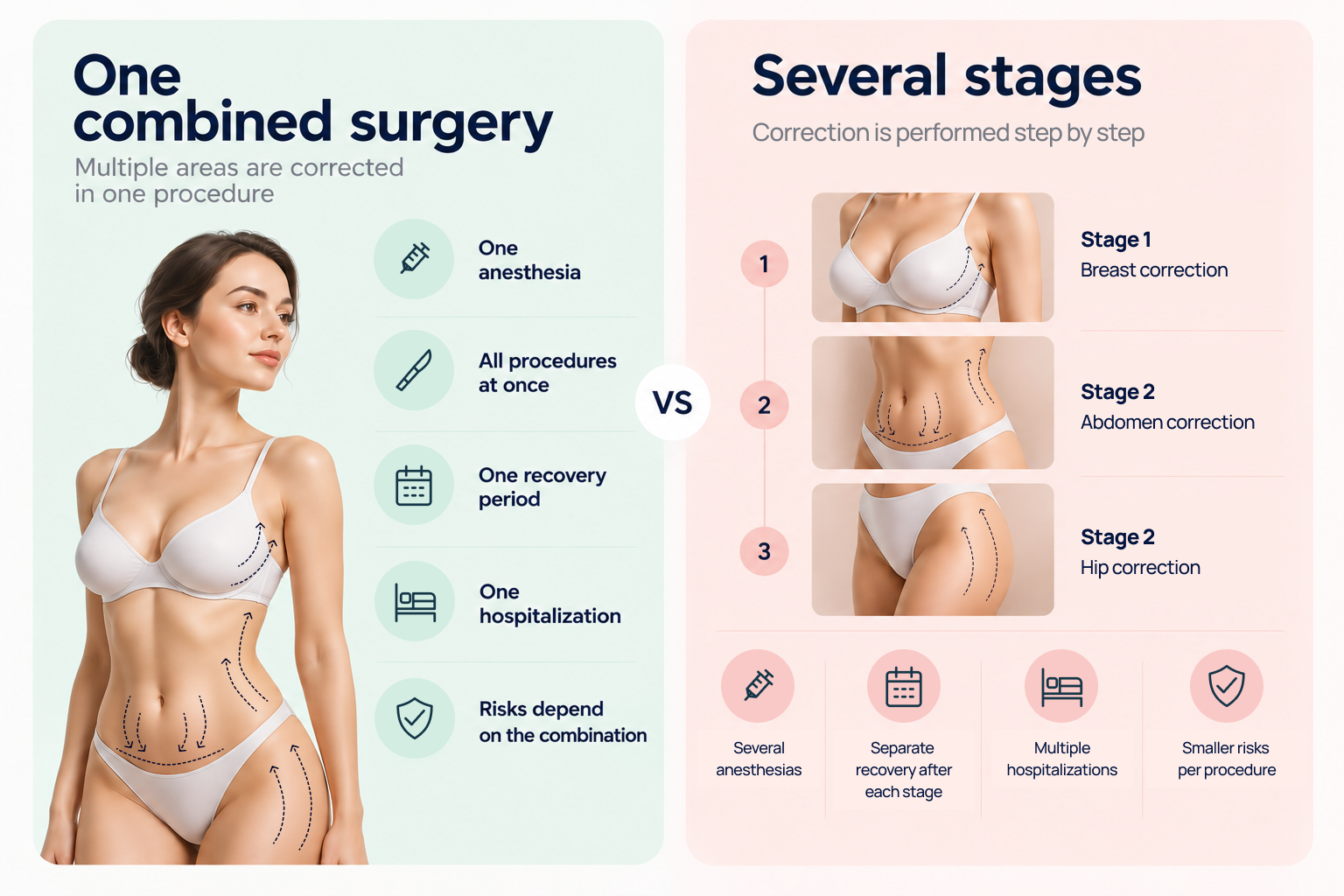
When medically appropriate, combining procedures allows several areas of the body to be treated during one hospital stay, with a single overall recovery period. The patient also avoids having to repeat every stage of a separate surgical procedure.
However, one recovery period does not necessarily mean an easier recovery. Combining abdominal and breast surgery can make postoperative restrictions more demanding and increase the overall surgical burden. Whether procedures can be safely combined must therefore be assessed on an individual basis.
Which Procedures Are Included in a Mommy Makeover?
The combination of procedures depends on the condition of the tissues, the patient’s anatomy and her goals. The most common options include abdominoplasty, breast surgery and liposuction, although not every woman needs all three.
Abdominoplasty: Correcting Excess Abdominal Skin and Diastasis Recti
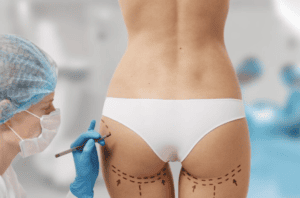
Abdominoplasty is performed when significant excess abdominal skin remains after pregnancy and cannot be addressed through exercise or weight loss alone.
During surgery, the surgeon removes excess tissue, repositions the remaining skin and, where indicated, repairs stretched structures of the abdominal wall.
Particular attention is given to diastasis recti, which occurs when the gap between the rectus abdominis muscles widens as the linea alba stretches.
Not every case of diastasis requires surgery. For moderate changes, conservative approaches may be appropriate, including individually selected exercises and physiotherapy. However, when diastasis occurs alongside significant excess skin and the patient is considering a tummy tuck, the surgeon may recommend restoring tension in the abdominal wall by bringing the tissues closer together along the midline.
Depending on the extent of the changes, different types of abdominoplasty may be considered:
- Mini abdominoplasty: corrects a limited amount of excess skin, mainly below the navel.
- Full abdominoplasty: removes a more substantial amount of excess skin and reshapes the abdomen, usually involving repositioning the navel.
- Extended abdominoplasty: addresses not only the front of the abdomen but also the flanks, where indicated.
The choice of technique depends on the distribution of excess skin, the condition of the muscles and underlying connective tissues, the position of scars from previous operations and other anatomical factors.
Abdominoplasty is not a treatment for obesity and does not guarantee the removal of all stretch marks. Usually, only stretch marks located on the section of skin removed during surgery are eliminated.
Breast Surgery: Restoring Breast Volume and Shape
After pregnancy, women may experience different breast-related changes, including a loss of volume, sagging or persistently excessive breast size.
The surgeon therefore considers not only the desired breast size but also the position of the nipple-areola complex, skin quality and the amount of existing breast tissue.
Breast augmentation may be considered when breast volume has decreased. Implants can be used for this purpose, while fat transfer may be an option in selected cases.
A breast lift, or mastopexy, is performed to address breast ptosis. It involves removing excess skin, reshaping the breasts and repositioning the nipple-areola complex.
A breast lift with augmentation may be appropriate when sagging and a loss of volume occur together. This combination is technically more complex than augmentation or a lift alone and requires careful planning.
Breast reduction, or reduction mammoplasty, may be considered when the breasts are excessively large, particularly if their weight causes physical discomfort.
An important point is that breast implants do not always correct significant ptosis on their own. If the main concern is excess skin and low nipple position, increasing breast volume without a lift may not produce the expected shape.
Liposuction: Additional Body Contouring
Liposuction is used to remove localised fat deposits that remain despite a relatively stable body weight.
As part of a Mommy Makeover, it may complement abdominoplasty, for example, when additional contouring of the waist or flanks is needed. However, liposuction does not remove significant excess skin or repair stretched structures of the abdominal wall.
When combining liposuction with abdominoplasty, the surgeon must consider the amount of fat to be removed, tissue blood supply, the surgical technique and the overall duration of the procedure. Not every combination of these procedures carries the same level of risk.
One-Stage or Staged Mommy Makeover: Which Is Better?
This is one of the main questions to consider when planning combined body contouring surgery.
Combining several procedures may be appropriate if the patient is in good general health and the planned scope of surgery can be completed without placing an excessive burden on the body.
However, wanting to restore the abdomen and breasts at the same time is not, in itself, sufficient reason to combine the procedures.
When Can Procedures Be Combined?
A surgeon may consider performing abdominoplasty and breast surgery during the same operation if:
- The patient has recovered from pregnancy and finished breastfeeding.
- Her weight is relatively stable.
- She does not have uncontrolled medical conditions that substantially increase surgical risks.
- Preoperative assessments have not identified any contraindications.
- The anticipated duration of surgery is acceptable.
- The planned correction does not require an excessively extensive procedure.
- The patient will be able to follow postoperative restrictions and receive the necessary support.
For example, a woman with excess abdominal skin and moderate breast ptosis may be offered a tummy tuck and mastopexy during a single surgical session.
However, the final decision depends on more than the names of the procedures. The complexity of each operation, the need to repair diastasis recti, the extent of breast surgery, any planned liposuction and the patient’s individual risk factors must all be taken into account.
When Is It Safer to Stage a Mommy Makeover?
A staged approach may be preferable if combining procedures would make the operation excessively long or increase the likelihood of complications.
For example, separate operations may be considered when the patient requires an extended abdominoplasty, extensive liposuction and complex breast surgery.
Other factors that may influence the decision include:
- An increased risk of venous thromboembolism.
- Significant obesity or other factors that increase the likelihood of complications.
- Anaemia or other health issues that need to be addressed before surgery.
- Medical conditions that affect wound healing.
- Active smoking.
- The need for more complex reconstructive surgery.
- Insufficient support at home during recovery.
The presence of one of these factors does not automatically mean that the procedures must be staged. In some cases, it may be safer to address the underlying health issue first or postpone elective surgery altogether.
If a surgeon recommends two stages, this does not mean that combined body contouring is impossible. Staging reduces the extent of surgery performed at one time and allows the patient’s recovery after the first procedure to be assessed before the next stage is planned.
Comparing Single-Stage and Staged Surgery
When planning a Mommy Makeover, it is important to determine whether all procedures can be performed safely at once or whether they should be divided into separate stages. The decision depends on the extent of correction required, the duration of surgery, the patient’s health and the potential risks.
Combined surgery allows several areas of the body to be treated during one operation. The patient undergoes one episode of anaesthesia, usually one hospital stay and one overall recovery period. However, the procedure may take longer, and postoperative restrictions from different operations can overlap.
For example, patients need to avoid straining their abdominal muscles after a tummy tuck and limit strain on their arms and upper body after breast surgery. Certain surgical risks may increase as the duration and extent of the operation increase.
A staged approach distributes the surgical burden across several operations. Each procedure may be shorter, and the results of the first stage can inform the planning of the next. This approach is particularly relevant when extensive correction is required or additional risk factors are present.
However, the patient will need to undergo anaesthesia, preoperative preparation and recovery more than once. Multiple hospital stays may also be necessary.
There is no universally safest option. Combining procedures is not always better than staging them, and separating operations does not eliminate the risk of complications. The surgeon assesses the patient’s general health, body mass index (BMI), haemoglobin level, risk of thrombosis and anticipated operating time. The priority is to achieve the desired outcome without unnecessarily increasing surgical risks.
Why Does the Duration of Surgery Matter?
When planning a Mommy Makeover, the surgeon considers not only the number of procedures but also how long they will take. Prolonged surgery can involve additional risks associated with anaesthesia, blood loss, changes in body temperature, prolonged immobility and venous thromboembolic complications.
Particular attention is paid to the risk of deep vein thrombosis (DVT) and pulmonary embolism (PE). This risk depends on several factors, including the patient’s medical history, the nature of the procedure and her level of mobility after surgery. There is no universally safe operating time, expressed in hours, for every Mommy Makeover.
Plastic surgeons use different approaches to limiting the duration of combined procedures. Some favour shorter operations, while others consider longer procedures acceptable under appropriate conditions. However, no time-based guideline can replace an individual risk assessment.
For this reason, a surgeon may decide against performing several procedures at once, even if each operation could technically be carried out separately.
How Does a Surgeon Determine the Scope of a Mommy Makeover?
Planning begins with identifying the changes that concern the patient and understanding the results she hopes to achieve.
For example, two women may describe the same concern as having a ‘post-pregnancy tummy’ but require completely different approaches.
In one case, changes in body contour may be primarily due to localised fat deposits, with relatively elastic skin. In another, the main issues may be significant excess skin and diastasis recti. Liposuction may be considered in the first case, while abdominoplasty may be more appropriate in the second.
The same applies to the breasts: loss of volume, ptosis and excessive breast size require different surgical solutions.
Before developing a treatment plan, the surgeon assesses:
- Anatomical changes: the condition of the skin, subcutaneous tissue, abdominal wall and breast tissue.
- General health: chronic conditions, previous operations, medications and BMI.
- Reproductive plans: whether breastfeeding has ended and whether future pregnancies are anticipated.
- Surgical risks: the likelihood of thrombosis, impaired wound healing, bleeding and anaesthetic complications.
- Scope of surgery: the number of procedures, their anticipated duration and the complexity of combining them.
- Recovery arrangements: where the patient will stay after surgery, whether help will be available at home and whether she can attend follow-up appointments.
Following the consultation, the surgeon may recommend one combined operation, staged surgery or a more limited procedure.
When Can You Have a Mommy Makeover After Childbirth?
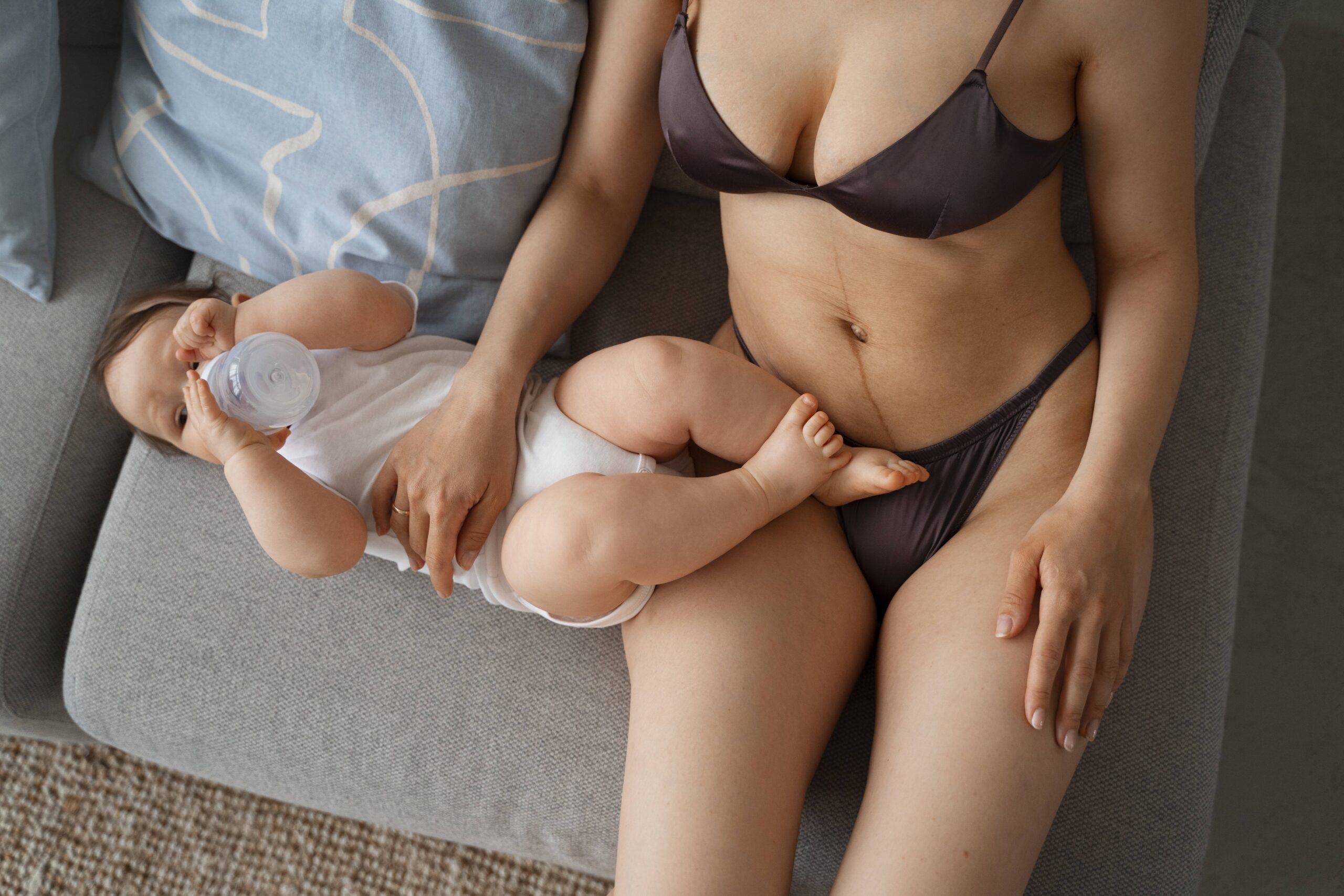
Elective plastic surgery is not recommended immediately after childbirth. The body needs time to recover, and changes in the tissues and body weight should stabilise before surgery is planned.
The end of breastfeeding is particularly important. After lactation stops, breast volume and shape may continue to change. Planning breast surgery too early may therefore affect the accuracy of the surgical plan.
The appropriate timing is determined individually. The surgeon considers the course of pregnancy and childbirth, whether the patient had a Caesarean section, the condition of existing surgical scars, tissue recovery and overall health.
If a woman is planning another pregnancy in the near future, it is generally advisable to postpone a Mommy Makeover. A subsequent pregnancy may stretch the abdominal skin again and alter breast shape, affecting the aesthetic results.
How to Prepare for Combined Surgery
Before a Mommy Makeover, the patient attends a consultation with a plastic surgeon and undergoes a preoperative assessment. Depending on the planned procedures and her health, this may include blood tests, additional investigations and an assessment by an anaesthetist.
Particular attention is paid to factors that may affect tissue healing and the safety of surgery.
For example, smoking impairs blood supply to the tissues and increases the risk of wound-healing problems. The surgeon may therefore require the patient to stop using nicotine for a specified period before surgery.
The surgeon must also be informed about all medications the patient takes, any history of thrombosis, clotting disorders and previous operations.
If the risk of venous thromboembolic complications is elevated, the surgeon will determine which preventive measures are appropriate. These may include early mobilisation, mechanical prophylaxis and, when indicated, medication.
Patients must not stop prescribed medication or start taking anticoagulants before surgery without medical advice.
What Is Recovery Like After a Mommy Makeover?

Recovery after combined surgery has an important distinguishing feature: the patient must follow postoperative instructions for several operated areas at the same time.
For example, it may be difficult to stand fully upright during the first few days after a tummy tuck, while breast surgery may limit arm movements, sudden movements and lifting heavy objects.
When these procedures are performed together, everyday activities can become more challenging because the restrictions overlap.
The First Few Days After Surgery
During the early postoperative period, patients may experience soreness, swelling, tightness and limited mobility.
Depending on the extent of surgery, the surgeon may recommend compression garments, a supportive postoperative bra, wound care and monitoring of surgical drains, if used.
Although physical activity must be restricted, complete immobility is generally not recommended. Under the medical team’s guidance, patients should gradually begin moving as early mobilisation is one of the measures used to help prevent venous complications.
The First Few Weeks of Recovery
After combined body contouring, patients may need help with everyday activities, particularly if they have young children at home.
Lifting a child, carrying heavy objects, exercising vigorously and performing movements that strain the abdomen or breasts are generally restricted for a period of time.
The duration of these restrictions depends on the procedures performed. After abdominoplasty, returning to strenuous physical activity often takes six weeks or longer, although the exact timeframe is determined by the surgeon.
When Will the Final Results Be Visible?
The first changes in body contours become noticeable as early postoperative swelling subsides. However, the final shape cannot be assessed during the first few weeks.
Swelling may persist for several months, while surgical scars continue to mature and change for a year or longer.
The results are also affected by weight fluctuations, skin quality, individual healing characteristics and any subsequent pregnancies.
What Complications Can Occur After a Mommy Makeover?
The risks of combined surgery include both general surgical complications and problems specific to individual procedures.
Potential complications include:
- Bleeding, haematoma and seroma.
- Infection and impaired wound healing.
- Tissue damage or compromised blood supply.
- Prominent or noticeable scars.
- Asymmetry and an unsatisfactory aesthetic result.
- Changes in skin or nipple sensation.
- Deep vein thrombosis and pulmonary embolism.
- Anaesthetic complications.
- The need for further surgery.
When breast implants are used, additional risks include capsular contracture, implant damage and other complications associated with having an implant.
The likelihood of complications varies between patients. It depends on individual risk factors, the surgical technique, the duration of the operation and the overall extent of the combined procedure.
The scientific evidence comparing the safety of Mommy Makeover surgery with that of individual procedures is also mixed. Some studies report acceptable outcomes for combined procedures in carefully selected patients. However, this does not mean that every combination of procedures can be performed safely.
If you have any questions about the Mommy Makeover procedure or are planning to undergo surgery in Turkey, please fill out the form. Our medical consultants will contact you, answer your questions, and arrange a free consultation.
The information provided on this page is for informational purposes only and does not replace a medical consultation. For diagnosis, treatment selection, or medical examinations, please consult a qualified healthcare professional.