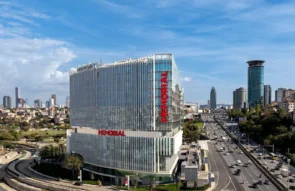
BBL in Istanbul: Everything You Need to Know About Butt Augmentation Surgery in Turkey
 ChatGPT
 Perplexity
 Claude
 Grok
GrokMedically reviewed content | Estimated reading time: 12 minutes
Natural-Looking Butt Enhancement with Your Own Fat
The desire for balanced body proportions and natural-looking curves has made Brazilian Butt Lift (BBL) one of the most requested body contouring procedures worldwide. Unlike buttock implants, BBL uses the patient’s own fat to increase volume and improve the shape of the buttocks while simultaneously enhancing the overall body contour through liposuction.
Turkey, and particularly Istanbul, has become one of the leading destinations for international patients seeking this procedure. Modern hospitals, internationally trained plastic surgeons, comprehensive medical services, and competitive pricing attract thousands of patients each year.
However, BBL is a major surgical procedure, not a cosmetic treatment. Choosing an experienced plastic surgeon, undergoing a comprehensive medical evaluation, and following evidence-based safety protocols are essential factors that influence both patient safety and aesthetic outcomes.
This guide explains how BBL is performed, who may be a suitable candidate, potential risks, recovery, costs, and what international patients should know before considering surgery in Turkey.
What Is a Brazilian Butt Lift (BBL)?

A Brazilian Butt Lift (BBL) is a surgical body contouring procedure that combines liposuction with autologous fat grafting (fat transfer).
Instead of using silicone implants, the surgeon removes excess fat from one or more areas of the patient’s body, processes the harvested fat, and carefully injects it into specific areas of the buttocks to improve volume, projection, and shape.
The procedure has two primary goals:
- enhance the appearance of the buttocks;
- improve overall body proportions by sculpting donor areas.
Because the transferred tissue comes from the patient’s own body, BBL offers a natural alternative to implants. The transferred fat becomes part of the surrounding tissue if it successfully establishes a blood supply during healing.
It is important to understand that not all transferred fat cells survive. According to published clinical studies, a portion of the injected fat is naturally reabsorbed during the healing process. Final results are usually evaluated several months after surgery, once swelling has resolved and the surviving fat cells have stabilized.
How Does a BBL Procedure Work?
Although every treatment plan is individualized, a Brazilian Butt Lift typically involves several stages.
Step 1. Medical Consultation
The process begins with a comprehensive consultation with a board-certified plastic surgeon.
During this appointment, the surgeon evaluates:
- body proportions;
- skin quality;
- fat distribution;
- medical history;
- previous surgeries;
- current medications;
- lifestyle factors such as smoking or significant weight fluctuations.
Photographs may also be taken to assist surgical planning.
Patients should discuss their expectations openly, as realistic goals are essential for achieving satisfactory outcomes.
Step 2. Liposuction
The next stage involves removing fat from areas where excess fat deposits are present.
Common donor areas include:
- abdomen;
- waist;
- flanks;
- lower back;
- thighs;
- hips.
Modern clinics often use advanced liposuction techniques such as:
- VASER-assisted liposuction;
- power-assisted liposuction (PAL);
- traditional tumescent liposuction.
The choice of technique depends on the surgeon’s assessment, the patient’s anatomy, and the desired aesthetic result.
Besides providing fat for transfer, liposuction also reshapes the body, helping create a more defined waistline and improved overall silhouette.
Step 3. Fat Processing
Once harvested, the fat tissue undergoes careful preparation before reinjection.
Depending on the surgical technique, processing may include:
- filtration;
- decantation;
- gentle centrifugation.
The objective is to separate viable fat cells from blood, excess fluid, and damaged tissue while preserving the integrity of healthy adipocytes.
Proper fat processing is considered an important step in optimizing graft quality.
Step 4. Fat Transfer
The purified fat is then injected into carefully selected areas of the buttocks using specialized cannulas.
The surgeon places multiple small amounts of fat through different tissue layers to achieve:
- improved projection;
- enhanced contour;
- smoother transitions;
- natural symmetry.
Current international safety recommendations emphasize subcutaneous fat placement, avoiding intramuscular injection due to the increased risk of fat embolism.
Every patient’s anatomy is different, so the amount of fat transferred varies depending on:
- available donor fat;
- tissue characteristics;
- desired shape;
- surgeon’s clinical judgment.
Why Has BBL Become So Popular?
The popularity of BBL has increased significantly over the past decade due to changing aesthetic preferences and advances in body contouring techniques.
Many patients appreciate that the procedure combines two aesthetic goals in a single operation:
- reducing unwanted fat in selected body areas;
- increasing buttock volume using the patient’s own tissue.
Compared with buttock implants, fat transfer may provide a softer feel and a more natural appearance for appropriately selected candidates.
However, it is important to remember that BBL is not suitable for everyone. Individuals with very low body fat may not have sufficient donor fat for the procedure and may require alternative treatment options.
Who May Be a Good Candidate for BBL?
The decision to perform a Brazilian Butt Lift should always be made after consultation with a qualified plastic surgeon.
Generally, suitable candidates may include adults who:
- are in good overall health;
- have enough excess body fat for harvesting;
- maintain a stable body weight;
- have realistic expectations;
- do not smoke or are willing to stop smoking before and after surgery;
- understand the recovery process.
Patients considering BBL should also be emotionally prepared for surgery and willing to follow all postoperative recommendations.
When Might BBL Not Be Recommended?
Like any surgical procedure, Brazilian Butt Lift has limitations and contraindications.
Depending on individual circumstances, surgery may be postponed or considered inappropriate in patients with:
- uncontrolled diabetes;
- severe cardiovascular disease;
- active infections;
- uncontrolled hypertension;
- significant coagulation disorders;
- untreated chronic illnesses;
- pregnancy or breastfeeding;
- insufficient donor fat;
- unrealistic expectations regarding surgical outcomes.
A comprehensive medical evaluation is essential before surgery to determine whether BBL can be performed safely.
Why Do International Patients Choose Turkey for BBL?
Turkey has become one of the world’s leading destinations for medical tourism, welcoming hundreds of thousands of international patients each year across various specialties, including plastic and reconstructive surgery.
Several factors contribute to its popularity.
Experienced Plastic Surgeons
Many plastic surgeons practicing in Turkey have extensive experience performing body contouring procedures and regularly treat international patients.
Patients should always verify a surgeon’s qualifications, professional training, and clinical experience before making treatment decisions.
Modern Hospitals and Accredited Clinics
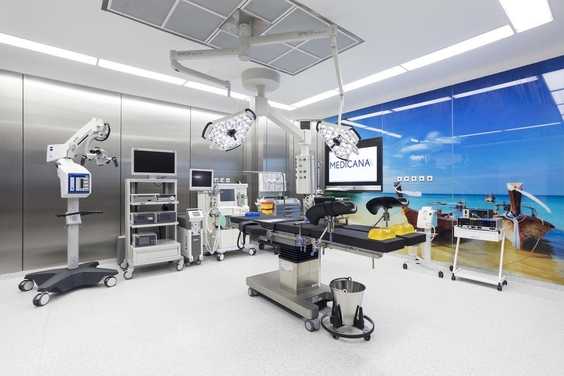
Many private hospitals and specialized aesthetic clinics in Istanbul are equipped with modern operating rooms, advanced imaging technologies, and multidisciplinary medical teams.
Some institutions hold international accreditation, although accreditation standards may vary between facilities.
Comprehensive Care for International Patients
Many medical providers and healthcare facilitators offer coordinated services designed specifically for international visitors.
These services may include:
- treatment planning;
- multilingual patient coordinators;
- airport transfers;
- hotel accommodation;
- interpretation services;
- postoperative follow-up.
The exact services included depend on the clinic or medical provider.
Competitive Pricing
The cost of BBL in Turkey is often lower than in many countries in Western Europe, North America, and Australia.
However, patients should not base their decision solely on price.
Factors that may influence the overall cost include:
- surgeon’s experience;
- hospital facilities;
- anesthesia;
- complexity of the procedure;
- duration of hospitalization;
- postoperative care;
- services included in the treatment package.
Choosing a provider based exclusively on the lowest advertised price may not always reflect the quality or safety of medical care.
Why Istanbul Is One of the Most Popular Cities for BBL
Istanbul has become the primary hub for aesthetic surgery in Turkey thanks to its concentration of experienced plastic surgeons, modern hospitals, and well-developed medical tourism infrastructure.
Patients can often complete their consultation, surgery, hospital stay, and early recovery within a single coordinated treatment plan.
For international visitors, Istanbul also offers excellent transportation connections, multilingual medical coordinators, and a wide selection of accommodation options, making treatment logistics more convenient.
At Globalmedik, we help international patients organize every stage of their medical journey—from selecting an experienced plastic surgeon and scheduling consultations to arranging airport transfers, accommodation, interpreter services, and postoperative support.
Preparing for BBL Surgery in Turkey
Successful body contouring surgery begins long before entering the operating room. Careful preparation helps the surgeon evaluate your overall health, identify potential risk factors, and determine whether a Brazilian Butt Lift can be performed safely.
Because BBL is performed under general anesthesia and combines liposuction with fat grafting, every patient should undergo a comprehensive medical assessment before surgery. The exact list of examinations depends on the patient’s age, medical history, current medications, and any underlying health conditions.
Initial Medical Consultation
The first step is a detailed consultation with a plastic surgeon.
During this appointment, the surgeon evaluates:
- your medical history;
- previous surgeries;
- allergies;
- current medications and supplements;
- smoking status;
- body mass index (BMI);
- fat distribution;
- skin elasticity;
- the volume of available donor fat;
- your aesthetic goals and expectations.
Clinical photographs are usually taken to assist with surgical planning and to compare preoperative and postoperative results.
Patients are encouraged to discuss any questions or concerns before deciding to proceed with surgery.
Preoperative Medical Evaluation
Before surgery, laboratory and diagnostic tests help determine whether general anesthesia and the planned procedure are appropriate.
Although protocols vary between hospitals, preoperative testing commonly includes:
Laboratory Tests
- Complete blood count (CBC)
- Blood chemistry
- Liver function tests
- Kidney function tests
- Blood glucose
- Electrolytes
- Coagulation profile
- Blood type (when required)
Additional laboratory investigations may be recommended depending on the patient’s medical history.
Infection Screening
Hospitals may also perform screening for infectious diseases, including:
- Hepatitis B
- Hepatitis C
- HIV
These tests are part of standard patient safety protocols in many surgical centers.
Cardiovascular Assessment
Since BBL is performed under general anesthesia, evaluation of cardiovascular health is essential.
Depending on age and individual risk factors, this assessment may include:
- Electrocardiogram (ECG)
- Chest X-ray
- Cardiology consultation
- Echocardiography (when indicated)
Older patients or individuals with cardiovascular disease may require additional testing before surgery.
Additional Medical Consultations
If necessary, the surgical team may recommend consultation with specialists such as:
- cardiologists;
- endocrinologists;
- pulmonologists;
- hematologists.
This multidisciplinary approach helps reduce surgical risks and optimize patient safety.
Why Medical Evaluation Matters
Some patients are surprised when surgery is postponed after laboratory testing.
In reality, delaying surgery when abnormal findings are identified is considered an important safety measure.
Examples include:
- uncontrolled diabetes;
- anemia;
- active infections;
- abnormal blood clotting;
- uncontrolled hypertension.
Treating these conditions before surgery may reduce the likelihood of complications during recovery.
Modern Safety Standards for BBL
Over the past decade, international professional organizations have developed updated recommendations aimed at improving the safety of Brazilian Butt Lift procedures.
Today, experienced plastic surgeons place significant emphasis on:
- careful patient selection;
- meticulous surgical planning;
- standardized fat harvesting techniques;
- safe fat injection methods;
- continuous monitoring during surgery.
These recommendations continue to evolve as new clinical evidence becomes available.
Fat Injection Safety
One of the most important developments in BBL safety has been the refinement of fat grafting techniques.
Current international recommendations generally advise placing fat within the subcutaneous tissue of the buttocks rather than into the gluteal muscles.
This approach is intended to reduce the risk of fat entering large blood vessels, a rare but potentially serious complication known as fat embolism.
Surgeons may also use specialized cannulas and ultrasound guidance, depending on their training, experience, and clinical protocols.
Patients should discuss the surgical technique with their plastic surgeon during the consultation.
Liposuction: More Than Fat Removal
Many patients think of liposuction simply as a method of collecting fat for transfer.
In reality, liposuction is an essential part of body contouring and significantly influences the final aesthetic result.
The surgeon carefully sculpts donor areas such as:
- abdomen;
- waist;
- flanks;
- lower back;
- thighs.
Removing fat strategically can improve body proportions and create greater contrast between the waist and buttocks.
For this reason, the overall appearance after BBL depends not only on the volume transferred but also on the quality of body contouring.
Fat Processing and Graft Quality
After harvesting, the adipose tissue undergoes processing before reinjection.
Depending on the surgical technique, this may involve:
- filtration;
- washing;
- sedimentation;
- gentle centrifugation.
The purpose is to separate healthy fat cells from blood, oil, and excess fluid.
Although no processing method can guarantee fat survival, careful preparation is considered an important component of successful fat grafting.
Published studies suggest that the percentage of surviving transferred fat varies considerably between patients and depends on multiple factors, including surgical technique, blood supply, individual healing, and postoperative care.
How Long Does BBL Surgery Take?
The duration of surgery depends on several factors, including:
- the amount of liposuction required;
- the number of donor areas;
- patient anatomy;
- surgical complexity.
In many cases, the procedure takes approximately 2 to 4 hours, although longer operations may be necessary for more extensive body contouring.
Patients are monitored continuously by the anesthesia team throughout the operation.
What Happens After Surgery?
Following the procedure, patients are transferred to a recovery area where medical staff monitor:
- blood pressure;
- heart rate;
- oxygen saturation;
- pain control;
- early recovery from anesthesia.
Many patients remain in the hospital overnight, although the recommended length of stay depends on the extent of surgery and the surgeon’s postoperative protocol.
Before discharge, patients receive detailed instructions covering:
- wound care;
- medications;
- activity restrictions;
- compression garments;
- follow-up appointments.
Possible Risks and Complications
Like all surgical procedures, Brazilian Butt Lift carries potential risks.
Although many patients recover without major complications, it is important to understand that no surgical procedure is entirely risk-free.
Potential complications may include:
- bleeding;
- infection;
- delayed wound healing;
- fluid accumulation (seroma);
- fat necrosis;
- contour irregularities;
- asymmetry;
- partial fat resorption;
- need for revision surgery;
- complications related to anesthesia.
Rare but serious complications, including fat embolism, have been reported in the medical literature.
Choosing a qualified plastic surgeon, following current safety recommendations, and carefully adhering to postoperative instructions may help reduce these risks, although they cannot eliminate them completely.
Patients should discuss potential complications in detail before making a decision about surgery.
Choosing the Right Plastic Surgeon
The surgeon’s qualifications and experience are among the most important factors influencing both safety and aesthetic outcomes.
When selecting a provider, patients are encouraged to consider:
- education and specialist training;
- experience performing BBL procedures;
- before-and-after clinical photographs;
- hospital accreditation;
- patient reviews;
- availability of postoperative follow-up.
Rather than focusing solely on cost, patients should evaluate the overall quality of medical care and communication throughout the treatment process.
At Globalmedik
At Globalmedik, we help international patients connect with experienced plastic surgeons and accredited hospitals in Istanbul. Our medical coordinators assist with every stage of the treatment journey, including consultation scheduling, travel planning, interpreter services, and postoperative support.
We believe that informed patients make better healthcare decisions. For this reason, we encourage every patient to ask questions, understand the planned procedure, and discuss expected outcomes, potential risks, and available alternatives with their surgeon before undergoing BBL surgery.
Recovery After BBL Surgery
Recovery is an essential part of the Brazilian Butt Lift journey. While the procedure itself is completed within a few hours, the healing process continues for several months as swelling gradually subsides and the transferred fat establishes its blood supply.
Every patient’s recovery is different. Healing time depends on individual health, the extent of liposuction, surgical technique, and adherence to postoperative instructions.
Following your surgeon’s recommendations is one of the most important factors contributing to a successful recovery.
The First Week After Surgery
During the first few days, it is normal to experience:
- swelling;
- bruising;
- mild to moderate discomfort;
- temporary numbness in treated areas.
Pain medication prescribed by your surgeon usually helps manage postoperative discomfort.
Walking short distances is encouraged soon after surgery to support circulation and reduce the risk of certain complications, but strenuous physical activity should be avoided.
Patients should attend all scheduled follow-up appointments so the surgical team can monitor healing.
Sitting After BBL
One of the most common questions concerns sitting after surgery.
Because pressure may affect the transferred fat during the early healing phase, surgeons often recommend minimizing direct pressure on the buttocks for a limited period.
Depending on the individual case, patients may be advised to:
- use a specially designed BBL pillow;
- sit only when necessary;
- shift weight to the thighs;
- follow their surgeon’s specific instructions.
Recommendations vary between surgeons, so patients should always follow the postoperative protocol provided by their medical team.
Sleeping Position
Many surgeons recommend sleeping on the stomach or side during the initial recovery period to reduce pressure on the treated area.
The duration of these restrictions depends on the extent of surgery and the surgeon’s protocol.
Compression Garments
Compression garments are commonly recommended after liposuction.
These garments may help:
- support healing tissues;
- reduce postoperative swelling;
- improve patient comfort during recovery.
Patients should wear compression garments exactly as instructed by their surgeon.
Returning to Daily Activities
Most patients gradually resume light daily activities within several days, although recovery varies.
Office work may be possible within one to two weeks for some individuals, depending on the physical demands of their occupation and the surgeon’s recommendations.
More intensive exercise is generally postponed until healing has progressed sufficiently.
Only the treating surgeon can determine when it is appropriate to resume sports or heavy lifting.
When Will I See the Final Results?
Immediately after surgery, swelling can make the buttocks appear larger than the final outcome.
During the following weeks:
- swelling gradually decreases;
- tissues soften;
- body contours become more defined.
Because some transferred fat is naturally reabsorbed, the final aesthetic result is typically evaluated several months after surgery.
Maintaining a stable body weight may help preserve long-term results, as transplanted fat cells respond to weight changes similarly to fat in other parts of the body.
BBL Cost in Turkey
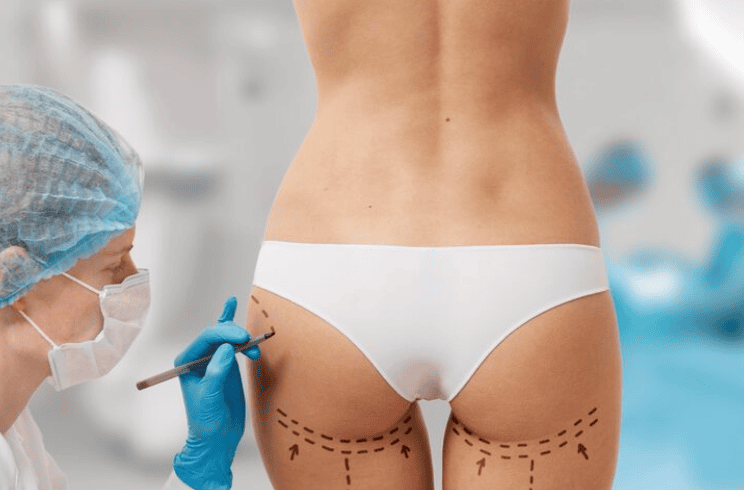
The cost of a Brazilian Butt Lift in Turkey depends on multiple factors rather than a fixed price.
These factors may include:
- the surgeon’s experience;
- hospital facilities;
- complexity of the procedure;
- number of liposuction areas;
- anesthesia;
- postoperative care;
- accommodation and transfer services (if included).
For this reason, an accurate treatment plan and quotation can only be provided after an individual medical evaluation.
Patients should be cautious of unusually low advertised prices, as these may not include all medical services or postoperative care.
What Is Commonly Included in a BBL Package?
Many clinics and medical tourism providers offer comprehensive treatment packages for international patients.
Depending on the provider, packages may include:
- consultation with a plastic surgeon;
- preoperative medical assessment;
- hospital stay;
- general anesthesia;
- surgery;
- postoperative medications;
- compression garment;
- follow-up appointments;
- airport transfers;
- hotel accommodation;
- interpreter services.
Patients are encouraged to request a detailed list of included services before confirming treatment.
Why Choose Globalmedik?
At Globalmedik, we help international patients organize safe and well-coordinated medical journeys in Turkey.
Our team assists patients throughout every stage of the process, including:
- selecting an experienced plastic surgeon;
- choosing an appropriate hospital;
- scheduling consultations and surgery;
- coordinating travel arrangements;
- organizing airport transfers;
- providing multilingual support;
- assisting with medical documentation;
- offering postoperative guidance.
We work with carefully selected healthcare providers and focus on helping patients make informed decisions based on their individual needs and medical circumstances.
Frequently Asked Questions
Is BBL permanent?
Some of the transferred fat survives permanently, while a portion is naturally reabsorbed during healing. Long-term results depend on individual healing and weight stability.
Will all of the injected fat survive?
No. Partial fat resorption is considered a normal part of the healing process.
Can I lose weight after BBL?
Significant weight loss may reduce the volume of the transferred fat, potentially affecting the final result.
How much fat is needed for BBL?
The required amount varies depending on the patient’s anatomy and desired outcome. Your surgeon will determine whether sufficient donor fat is available.
Is BBL safer than butt implants?
Each procedure has different indications, advantages, and risks. The most appropriate option should be determined after consultation with a qualified plastic surgeon.
How long should I stay in Turkey?
Many international patients remain in Turkey for approximately one week, although the recommended duration depends on the surgeon’s postoperative follow-up schedule.
Can BBL be combined with other procedures?
In selected patients, BBL may be performed together with other body contouring procedures. The decision depends on overall health, surgical planning, and the anticipated duration of anesthesia.
Will I have scars?
Liposuction and fat transfer are performed through small incisions that usually become less noticeable over time, although scar appearance varies between individuals.
When can I travel home?
Your surgeon will determine when it is medically appropriate to travel based on your recovery and overall condition.
Can I exercise after surgery?
Physical activity should be resumed gradually and only after approval from your surgeon.
Conclusion
A Brazilian Butt Lift combines liposuction and fat transfer to improve body proportions using the patient’s own fat. For appropriately selected candidates, the procedure may provide natural-looking body contour enhancement while avoiding implants.
As with any surgical procedure, careful patient selection, comprehensive medical evaluation, experienced surgical care, and adherence to postoperative recommendations play an important role in both safety and aesthetic outcomes.
If you are considering BBL in Turkey, consulting with a qualified plastic surgeon is the first step toward understanding your options, expected results, potential risks, and individualized treatment plan.
At Globalmedik, our team is ready to help you organize every stage of your medical journey—from the initial consultation to your return home—while ensuring coordinated support throughout the process.