Medipol Clinic in Turkey: overview, prices, services | GlobalMedik

Medipol Mega University Hospital

Medical Group Medipol
Medipol Mega University Hospital
25 000+
foreign patients
5500+
medical staff
246
departments and clinics
35+
medical centers

About the clinic

Medipol Educational and Medical Group – The Largest Medical Center in Turkey

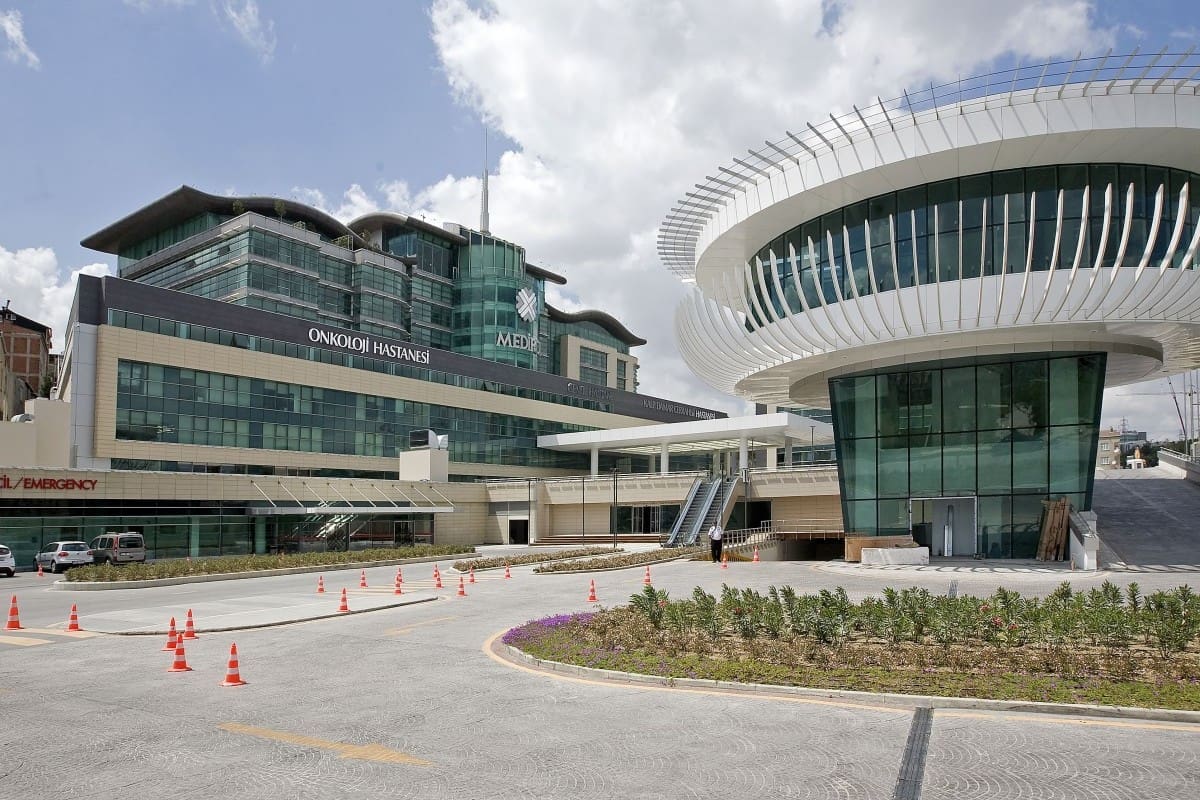
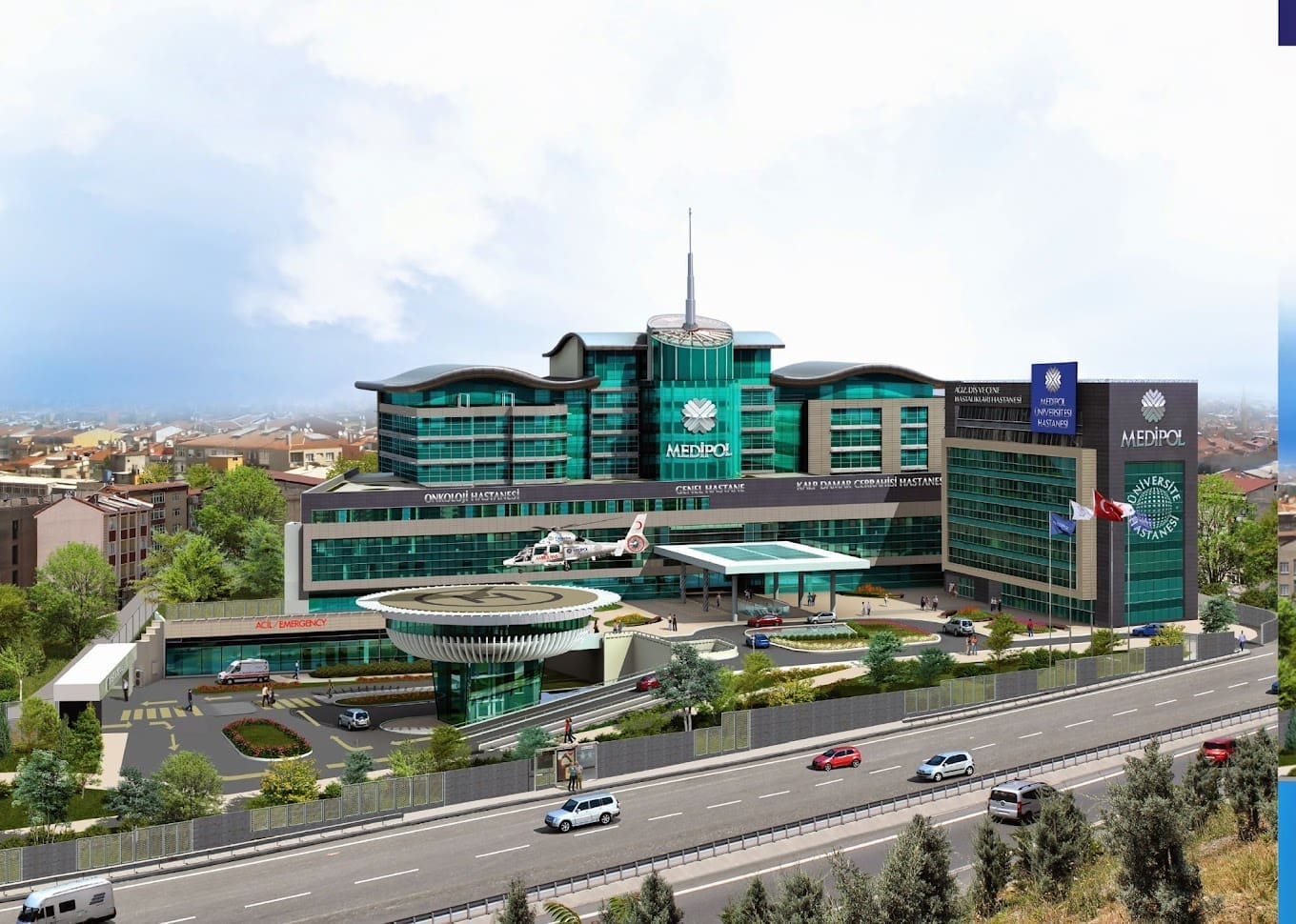
The Medipol medical complex is a leading private multidisciplinary center in Turkey, combining four modern hospitals. Medipol University Clinic is the largest private investment in the country’s healthcare system, offering advanced diagnostic and treatment methods.

The hospital structure includes specialized departments: general medicine, cardiovascular surgery, oncology, dentistry, as well as other key medical fields. Thanks to innovative technologies, modern equipment, and unique architecture, the Medipol medical center meets global standards, providing patients with high-quality treatment in Turkey.

This medical complex sets new standards of medical care, utilizing future technologies and a personalized approach to patient treatment.

Why us?

Medipol Clinic is the largest medical complex in Turkey, combining advanced technologies, the experience of leading specialists and high standards of medical care.

Modern equipment – ​​robotic surgical systems and diagnostic methods
An integrated approach – more than 35 centers in key areas of medicine
A team of 5,500+ doctors and medical staff, including leading professors and surgeons
University base – a combination of medical practice and scientific research

Areas of Expertise

Oncological surgery

Our department specializes in the surgical treatment of cancer. Cancer is a complex disease that requires a multidisciplinary approach, including medical oncology, radiation oncology, nuclear medicine, and pathology, both in the diagnostic phase and during treatment. In addition to surgical tumor removal, oncologic surgeons perform palliative surgeries aimed at pain control, improving the quality of life for patients, and managing symptoms and side effects associated with cancer. Oncologic surgeons are involved not only in treatment but also in the diagnosis of cancers, which, if detected early, can be completely cured. Cancer surgeries should be performed by surgeons who have specialized expertise in this field. Research shows that surgical treatment performed by experienced oncological surgeons using a multidisciplinary approach improves patient survival and quality of life. In our general surgery department, surgical oncology specialists treat tumors of the breast and thyroid, stomach, pancreas, large intestine, and rectum using modern techniques such as laparoscopic and oncoplastic surgeries.

Bone Marrow Transplant Center

Our Bone Marrow and Stem Cell Transplantation Center is one of the leading medical institutions in Turkey, providing high-quality services to both local and international patients. The center includes:

  • Outpatient Clinic
  • Inpatient and Ambulatory Units
  • State-of-the-Art Laboratories
  • Apheresis and Stem Cell Collection Unit
  • Stem Cell Processing Laboratory
  • Intensive Care Unit

We have a team of experienced academic and medical professionals working in accordance with international standards.

Diseases We Treat:

  • Multiple Myeloma
  • Lymphoma
  • Acute and Chronic Leukemia
  • Bone Marrow Failure, Aplastic Anemia, Myelodysplastic Syndrome (MDS)
Internal medicine

The Department of Internal Medicine covers a wide range of specialized fields, including rheumatology, endocrinology, oncology, hematology, intensive care, geriatrics, gastroenterology, and nephrology. In addition to diagnosing and treating various diseases, the department also provides referral services to relevant specialties, ensuring fast and accurate on-site diagnosis.

The department assesses the condition of incoming patients, who are examined by specialists and academic staff after undergoing necessary tests and examinations (such as ultrasound, MRI, and CT scans). If needed, hospitalization is available for further treatment.

The Internal Medicine Department at Medipol University Hospital closely follows the latest advancements in 21st-century diagnostic and treatment methods. It applies the most effective treatment protocols for rapidly spreading modern diseases, including diabetes and kidney failure.

Neurosurgery

Neurosurgery focuses on the diagnosis, monitoring, and treatment of diseases affecting the head, neck, spine, brain, and spinal cord.

The Neurosurgery Department at Medipol Mega University Hospital utilizes the most advanced technological devices for treatment and diagnosis.

Diagnostic and treatment research is conducted by specialists in brain and neurosurgery. When necessary, experts from other departments, including neurology, neuroradiology, radiation oncology, psychiatry, physical medicine, and rehabilitation, are also involved.

Obesity and Bariatric Surgery

What Methods Are Used in Obesity Surgery?

Restrictive Methods

These methods reduce the volume or capacity of the stomach, thereby limiting calorie intake and ensuring early satiety. They include Laparoscopic Adjustable Gastric Banding (LAGB), Vertical Banded Gastroplasty (VBG), Laparoscopic Sleeve Gastrectomy (LSG), and Gastric Balloon.

Sleeve Gastrectomy

This is a surgical method for treating obesity, used for individuals with comorbidities or patients with a Body Mass Index (BMI) of 40 or higher. During the procedure, 85% of the stomach is removed, and the remaining portion is reshaped into a tube-like structure. The primary goal of this surgery is to limit the amount of food the stomach can hold.

However, sleeve gastrectomy alone is not a weight-loss method. Postoperative patients must follow a strict diet and exercise program. If they adhere to the prescribed lifestyle changes, they can lose 65-80% of their excess weight within the first year.

Gastric Balloon

The gastric balloon is a non-surgical weight loss method for overweight patients. This procedure involves inserting an air-filled balloon into the stomach via an endoscopic procedure, reducing the stomach’s available space and leading to earlier satiety.

However, patients cannot lose weight solely due to the gastric balloon. As with other bariatric methods, patients must follow an appropriate diet and exercise plan.

The gastric balloon procedure is performed under sedation in the endoscopy unit under the supervision of an anesthesiologist. The patient does not feel anything during the procedure and is discharged within 3-4 hours after the operation.

Malabsorptive Bariatric Methods

These methods reduce calorie intake by limiting nutrient flow and bypassing the absorption site. Examples include Biliopancreatic Diversion (BPD) and Jejunoileal Bypass.

Combined Methods

These procedures both limit food intake and reduce absorption. Examples include Roux-en-Y Gastric Bypass (RYGB) and Duodenal Switch (DS).

In addition to surgical intervention, successful results in obesity treatment can also be achieved with endoscopic methods. Patients concerned about the risks of surgery may prefer gastric balloon placement or endoscopic sleeve gastroplasty.

Gastric Bypass

Many methods are used in obesity surgery, but gastric bypass is the most common. It is widely used to treat obesity-related diseases, including Type 2 Diabetes.

Gastric bypass is a procedure that simultaneously limits food intake and prevents its absorption. Since the patient’s stomach volume is reduced after surgery, their desire to eat also decreases, making weight loss more manageable.

Orthopedics and traumatology

Our hospital is home to expert doctors specializing in various fields of orthopedics and traumatology.

Specializations in Orthopedics and Traumatology:

  • Arthroscopic Surgery
  • Arthroplasty (Joint Replacement) and Adult Joint Diseases
  • Hand Surgery and Microsurgery
  • Foot and Ankle Surgery
  • Sports Physiology and Sports Surgery
  • Pediatric Orthopedics
  • Spine Surgery
  • Tumor Surgery and Oncology
  • Traumatic Injuries and Trauma Surgery
  • Corrective Surgery for Deformities
Ophthalmology

At the Ophthalmology Department of Medipol Mega University Hospital, the most advanced technologies are used for the diagnosis and treatment of eye diseases. The department’s team consists of highly qualified specialists.

Types of Eye Diseases Treated at Our Ophthalmology Department:

  • Myopia
  • Hypermetropia (Farsightedness)
  • Astigmatism
  • Presbyopia
  • Glaucoma
  • Dry Eye Syndrome
  • Nyctalopia (Night Blindness)
  • Uveitis
  • Strabismus (Crossed Eyes)
  • Cataract
  • Allergic Conjunctivitis
  • Color Blindness
  • Nystagmus (Involuntary Eyelid Twitching)
  • Amblyopia (Lazy Eye Syndrome)
  • Tear Duct Disorders
  • Retinal Diseases
  • Corneal Diseases
  • Keratoconus
Maxillofacial surgery

This field encompasses supportive treatment for diseases, injuries, and disorders affecting both the functional and aesthetic aspects of the hard and soft tissues of the oral and maxillofacial region.

The training of maxillofacial surgeons primarily focuses on the hard (bones) and soft (skin, muscles) tissues of the face, mouth, and jaws. Their knowledge and surgical expertise make them highly specialized professionals qualified to diagnose and treat functional and aesthetic disorders in this anatomical area.

section picture
Payment info

Book a consultation today and get your questions answered

Leave your feedback! Your opinion is important to us

    Rating

    To send a review, please log in