Baskent University Istanbul Hospital in Turkey: prices, services, reviews | GlobalMedik

Baskent University Istanbul Hospital

Başkent University Istanbul Hospital
Baskent University Istanbul Hospital
3
million patients per year
90%
organ transplant success rate

About the clinic

Başkent University Istanbul Hospital is a progressive medical complex that aims to provide the highest quality medical services in a comfortable environment. The clinic is part of the prestigious Turkish network of university hospitals Başkent Healthcare Group, whose achievements are known not only in the country but also far beyond its borders – in the international medical arena.

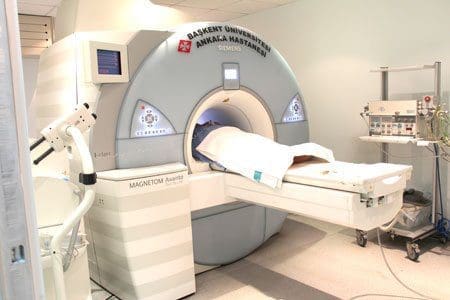
Başkent University Istanbul Hospital is a progressive medical complex that aims to provide the highest quality medical services in a comfortable environment. The clinic is part of the prestigious Turkish network of university hospitals Başkent Healthcare Group, whose achievements are known not only in the country but also far beyond its borders – in the international medical arena. Başkent University Istanbul Hospital opened its doors in 2007. The clinic is equipped with the most modern equipment, the total area of ​​the complex is 13,000 sq.m, which houses 196 equipped modern hospital beds. The clinic also consists of:

  • 21-bed Palliative Care Center
  • Intensive care for newborns (12 beds)
  • 10-bed resuscitation intensive care
  • 7-bed coronary intensive care

In addition, operating rooms, intensive care, floor ventilation, generator performance and other technical rooms are under constant control in the automation control center to maintain the operation of uninterruptible power supplies, thus ensuring the operation of the hospital in the event of a power failure.

Why us?

The founder of the medical center, Professor Mehmet Haberal, was the first in the world to perform a segmental liver transplant from a living donor, and the first in Turkey to perform a kidney transplant from a living donor. In addition, Dr. Haberal is the founder and president of the Turkish Transplantation Society. At the Baskent Clinic, you are guaranteed to meet qualified specialists and be surprised by the high standard of international medical care.

Has been operating since 2007
The most modern equipment
the total area of ​​the complex is 13,000 sq.m.
196 equipped modern hospital beds

Areas of Expertise

Organ transplantation

Başkent University Istanbul Hospital is also an Organ and Tissue Transplantation Center. The center has successfully performed 3877 transplants of organs and tissues such as liver, kidney, heart and cornea. The organ transplantation process chain is a team effort of doctors with the participation of various departments. One of the most important links in the chain is transplantation immunology. This stage of determining the tissue compatibility between the organ recipient and the donor is the most critical. Successful organ transplantation can only be performed after all the criteria for transplantation suitability have been confirmed at this stage. Tissue Typing and Transplantation Immunology Laboratory of Başkent University Istanbul Hospital performs all types of examinations required before tissue and organ transplantation using the most modern technologies and methods. Tissue Typing and Transplantation Immunology Laboratory is a member of NEQAS and the Balkan Association for the Proof of Qualification and Competence (BEPT) with international external quality assurance programs. Within the framework of the NEQAS program, the laboratory performs HLA tissue typing, scanning and determination of panel-reactive antibodies and cross-cytotoxicity testing, within the framework of the Balkan Association for External Proof of Qualifications and Competence (BEPT) program, HLA tissue typing and cross-cytotoxicity testing and cross-match testing by flow cytology are performed. The Tissue Typing and Transplant Immunology Laboratory performs the following tests:

  • HLA typing for loci A, B, C (low molecular resolution, PCR (Polymerase chain reaction))
  • HLA typing for loci DR, DQ (low molecular resolution, PCR (Polymerase chain reaction))
  • Cytotoxicity panel (cytology)
  • Cytotoxicity panel (flow cytology)
  • Panel-reactive antigen scanning
  • Panel-reactive antigen class I scanning
  • Panel-reactive antigen class II scanning
  • HLA-B (low molecular resolution, PCR (Polymerase chain reaction))
  • LSA-1 (Single antigen class I scanning)
  • LSA-1 (Single antigen class II scanning)
  • Donor-specific antibodies
  • Determination of donor KIR genotype

Kidney transplant

Kidney transplantation for foreign patients can only be performed from a living donor (this is regulated and controlled by the Ministry of Health of the Republic of Turkey). The donor can be a relative of the patient up to the 4th degree of kinship, which must be confirmed by an official document from your consulate, the document must be provided in two languages, English and Turkish. Specialists independently confirm the suitability of the donor. When searching for a donor, it is advisable to pay attention to people aged 18 to 60 years who have not had operations or serious diseases. Kidney transplantation is a surgical operation to place a donor kidney into the body of a patient whose kidney functionality is insufficient to support the life and functions of the entire body. Today, kidney transplantation is the most successful method of treatment for renal failure in the last (terminal) stage. Kidney transplantation ensures a long and healthy life for the patient. Transplants can be performed from living donors. Compared to dialysis treatment, which provides only some of the functions of the kidneys, with a successful kidney transplant from a donor, the transplanted kidney begins to perform all functions, thus improving the well-being and quality of life of patients. As a result of transplantation of a healthy donor kidney, lost renal functions are restored. In cases where there are no contraindications, every patient who has a need for dialysis treatment is a candidate for kidney transplantation. Kidney transplantation can increase the life expectancy of a patient with kidney failure by 3 times. After transplantation, 80% of patients return to their daily lives, in particular, young patients are able to start a family and have children. Patients with kidney disease at the beginning of dialysis treatment should contact an organ transplant center. Necessary studies:

  • Hastanın ve donörün böbrek damarlarının Doppler ultrasonu
  • Hasta ve donör kan grupları
  • Donör-hasta doku uyumluluk testi (HLA)
  • Hasta ve donörün donör viral paneli (Hepatit, AIDS)
  • Genel kan testi + hastanın ve donörün biyokimyası
  • Donörün ve hastanın 24 saatlik idrar analizi (ayrıca idrardaki proteinler ve kreatinin)

Liver transplantation

The liver is an organ that weighs about 1-2 kg, consists of two main lobes, the right and left lobes, and performs many vital functions. Among them are such functions as the secretion of bile for fat digestion, purification of blood from drugs, chemicals and alcohol, storage of excess glucose in the form of starch, removal of metabolic products with bile, synthesis of protein and cholesterol, blood clotting, immunity to infections. In addition to performing these important functions for the body, the liver is the only organ in the human body that has such a unique ability as restoring its size. This ability of the liver to restore its size in a relatively short period allows for the removal of a large part of the liver (up to 60-70% of the total volume).

Heart transplant

This is a surgical procedure performed by removing a diseased heart that has lost its functionality and replacing it with a healthy heart obtained from a cadaveric donor (after brain death has been established). Heart transplantation is the last chance for patients with heart failure when all other treatment methods are insufficient. Heart failure can develop as a result of coronary artery disease, heart valve or heart muscle dysfunction, congenital heart defects, or viral infections that affect the heart. Heart transplantation is performed on patients with end-stage heart failure. In other words, it is used in cases where, despite all types of treatment, the patient does not experience a decrease in complaints and symptoms related to the heart, and in cases where the life expectancy within a year is less than 50%. In heart transplants, the main criterion is blood group compatibility. As a rule, it is required that the recipient and donor have the same blood group. However, in special cases, the blood group compatibility rules for primary donors and primary recipients may apply. Although there are no specific age restrictions for heart transplantation, the most preferred age is between 1 and 50 years. Time is of the essence in heart transplants. The time required from removing the heart from the donor to placing the heart in the recipient’s chest and starting to beat is 4 hours. For this reason, heart transplants are a race against time and require speedy action. Patients who require a heart transplant are registered on the Heart Transplant Waiting List of the Organ and Tissue Information System (TODS) under the Ministry of Health. For patients whose conditions require urgent transplantation, a notification of the need for urgent transplantation is posted in the system in agreement with the Heart Transplant Council. Unfortunately, foreign patients cannot be registered on the Heart Transplant Waiting List of the Organ and Tissue Information System. Transplantation for foreign patients is performed at the Artificial Heart Support Center. After transplantation, patients experience a significant improvement in their quality of life. Patients can attend educational institutions, work, start families, and play sports. At the same time, patients must follow all the rules recommended after heart surgery and regularly attend doctor’s appointments.

Cardiology

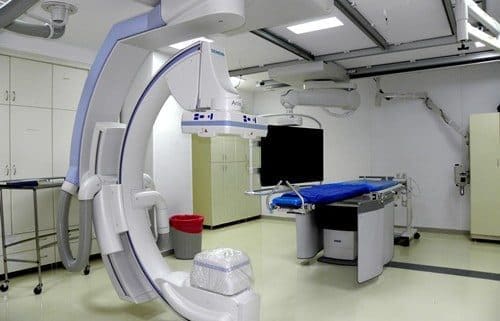
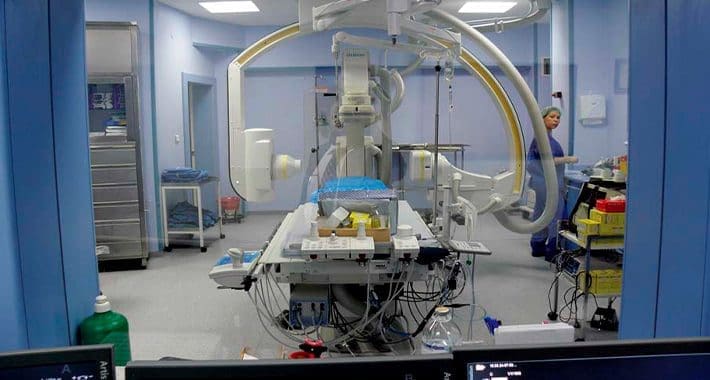
The Cardiology Department of Başkent University Istanbul Hospital has all the necessary infrastructure, equipment and qualified specialists to diagnose and treat all types of cardiovascular diseases. The Cardiology Department offers inpatient coronary care services with a capacity of 7 beds, post-coronary angiography follow-up services with a capacity of 6 beds equipped with clinical beds with telemetry monitoring. Outpatient and non-invasive cardiology procedures (ECG, stress test, echocardiography, Holter ECG monitoring, ambulatory blood pressure monitoring, tilt table test, permanent pacemaker and ICD monitoring). Adult Cardiology Outpatient Clinic provides outpatient services to 1000-1300 patients. The clinic’s reception is also conducted by teaching staff with extensive practical experience in the field of cardiovascular problems.

Diagnostic and therapeutic procedures:

  • Echocardiography (transthoracic, transesophageal, stress echocardiography (stress ECHO), etc.)
  • Holter ECG monitoring analysis
  • Ambulatory blood pressure monitoring
  • Treadmill stress tests
  • Cardiac catheterization, coronary angiography, coronary angioplasty, stenting, fractional flow reserve (FFR) measurement, etc.
  • Electrophysiological studies of the heart and arrhythmia (EPS, permanent pacemaker and ICD implantation)
  • Monitoring the functioning of a permanent pacemaker and ICD
  • Cardiological rehabilitation
  • Interventional cardiology procedures under the control of nuclear medicine imaging devices (single photon emission computed tomography (SPECT), multi-plane radioisotope scanning (MUGA), etc.).
  • The hospital’s team of specialist doctors successfully performs all types of
  • INTERVENTIONAL CARDIOLOGY procedures performed in the world.

Among them:

  • Transcatheter Aortic Valve Implantation (TAVI)
  • Non-surgical heart valve replacement using an inguinal vein approach
  • Endovascular Abdominal Aortic Aneurysm Repair (EVAR) – Thoracic Aortic Aneurysm
  • Repair (TEVAR)
  • Repair of an aortic aneurysm in the abdomen or chest cavity using a stent.
  • Closure of atrial septal defect (ASD), ventricular septal defect (VSD), patent foramen ovale (PFO), patent ductus arteriosus (PDA)
  • Non-surgical closure of congenital defects (holes) in the heart with access through the inguinal vein
  • Elimination of mitral, pulmonary and tricuspid valve stenosis
  • Balloon-assisted elimination of heart valve stenosis
  • Mitral valve reconstruction using the Carillon® contour system – mitral clip
  • Mitral valve reconstruction with access through the inguinal vein (non-surgical)
  • Stenting of the carotid arteries (cerebral vessels)
  • Elimination of obstruction of the leg vessels
    Ethanol ablation of the interventricular septum
Department of Oncogynecology

The Department of Gynecologic Oncology deals with cancer and precancerous lesions of the female genital organs. Gynecologic oncology surgery specialists undergo comprehensive training in the treatment of gynecologic cancer. For this reason, a gynecologic oncologist deals with surgical and chemotherapeutic treatment and palliative care for women from the moment of diagnosis. The team consists of several specialists: a medical oncologist, a pathologist, a radiologist, radiation oncologist and nurses. In addition, complex diagnostic and treatment methods are performed by an experienced team of specialists in hospitals with high-tech equipment.

The specialization of gynecological oncology includes the following diseases: Diagnostics and treatment of pathologies with the risk of developing malignant diseases of the external genitalia, cervix, uterus, ovaries and fallopian tubes. Diagnostics and prevention of malignant diseases of the genital organs in women, treatment of diagnosed diseases is carried out on the basis of an interdisciplinary approach under the coordination of a specialist in gynecological oncology.

Treatment of certain diseases, which is carried out in the department of gynecological oncological surgery

Vulvar cancer is a cancer of the skin around the vaginal opening, including the clitoris and labia. Vulvar cancer is uncommon. The human papillomavirus (HPV), along with increasing the risk of cervical cancer, unfortunately increases the risk of vulvar cancer. Vulvar cancer is treatable, but like all cancers, treatment is most effective when it is detected early, before the cancer has spread to other areas of the body. Vulvar cancer is a cancer that is most common in older women. If diagnosed early, it can be completely cured.

Endometrial cancer – develops from the layer of cells lining the inside of the uterus, the functional layer of which is rejected during each menstruation. Endometrial cancer is the most common in the female reproductive system. As a rule, the incidence rate increases in postmenopausal age. Risk factors for endometrial cancer include age, obesity, hormonal disorders and genetic predisposition. To date, there is no sufficiently reliable screening test for early diagnosis of endometrial cancer. At the same time, many women develop complaints at an early stage of the disease. With endometrial cancer, the most common complaint is the appearance of vaginal bleeding after menopause. In some cases, young women experience a change in normal menstrual periods. In many cases, uterine cancer can be detected at an early stage and successful treatment results can be achieved. Bleeding after menopause, called vaginal bleeding, is the most common symptom of uterine cancer. Surgery is the most common treatment for endometrial cancer. Surgery is used to remove the area of ​​​​uterine cancer and to determine the stage of the disease. The minimal surgical procedure is to perform a hysterectomy (removal of the uterus and cervix) along with removal of the fallopian tubes and ovaries. Typically, excision of the lymph nodes in the pelvic area and abdomen is also performed. Surgery can be performed by a traditional skin incision and opening of the abdomen or by a closed method of minimally invasive surgery (laparoscopy or robotic surgery). Radiation therapy: Radiation therapy is a common treatment option for women with endometrial cancer. It is prescribed based on the results of surgery to women at high risk of recurrence of the disease to reduce the likelihood of recurrence. For endometrial cancer, chemotherapy is usually recommended in advanced stages (stage III-IV) and for recurrent disease (relapse after the first course of treatment). Hormonal therapy is not a standard treatment, but may be recommended by a doctor to patients with cancer limited to the cervix who have a strong desire to become pregnant and have a child in the future.

Ovarian cancer originates from the cells of the ovary. The ovaries are a paired organ of the female reproductive system, located on either side of the uterus, and produce eggs and the main female hormones, estrogen and progesterone. Ovarian cancer is the ninth most common cancer in women and is the gynecological cancer with the highest mortality rate. The exact cause of the cancer is unknown, and there is currently no method that is used as a standard procedure for early diagnosis. Women in the following groups are more likely to develop ovarian cancer: carriers of the BRCA 1 or BRCA2 gene mutation, women with a family history of breast or ovarian cancer, women with a history of breast cancer, women on estrogen replacement therapy (without progesterone) for more than five years, women with endometriosis, women who become pregnant and give birth later in life, older women – the risk of ovarian cancer increases with age, women who are obese, especially those with a BMI of 30 or more. Gynecologic oncologists coordinate all stages of treatment for women with ovarian cancer, from diagnosis, surgery, chemotherapy, to lifelong palliative care.

Cervical cancer is cancer of the lower part of the uterus. The cervix is ​​the part of the uterus that opens into the vagina and widens during childbirth. Cervical cancer is one of the cancers with the highest mortality rate in women and is most common in developing countries. Although about 20% of all cervical cancer cases occur in women over 65, women in their 30s, 40s, and 50s are most susceptible. Colposcopy allows a detailed examination of the cervix, vagina, or vulva. A colposcope is a lighted instrument that allows a magnifying view to detect areas of cancerous tissue that are not visible at an early stage, guiding where a biopsy may be needed. Colposcopy is used to determine the cause of abnormal cell changes. This test may be able to detect cervical cancer at an early stage. Treatment options depend on the stage of the disease. In the early stages, treatment is relatively easy with surgery. Patients with a small early-stage cancer lesion are treated by performing a hysterectomy (removal of the uterus or cervix). Depending on the extent of the cancer, different types of hysterectomy may be recommended. Surgery can be performed in a classic way: open surgery, or laparoscopic or robotic surgery. The choice of surgical method depends on many factors, such as the experience and preferences of the surgeon, the size of the cancer, and the anatomical structure of the patient. The decision to perform surgery is discussed in detail with the attending physician.

Department of Physiotherapy and Rehabilitation

Physiotherapy and rehabilitation is a science that aims to increase the functions and performance of people to the maximum level, teach them independent living skills, improve the quality of life by helping to solve problems and treat diseases of muscles, joints, bones and spine, orthopedic problems such as sports injuries, rheumatic diseases and paralysis. Physiotherapy methods include the use of hot / cold procedures, ultrasound and electrical stimulators, water exercises and traction procedures (stretching of various parts of the skeletal system). In addition, physical exercise and the correct use of the body is one of the integral treatment methods in physiotherapy and rehabilitation. At the center of Başkent University Istanbul Hospital, equipped with modern equipment, a team of experienced specialists plans and applies treatment procedures in light of the latest achievements of world medicine.

Orthopedic problems associated with diseases and accompanying pain in the knee, shoulder, hip and ankle joints, after prosthetic surgeries and treatment of fractures of the knee, hip and shoulder joints. In the treatment of problems associated with spinal diseases, the use of an individually selected physiotherapy and rehabilitation program is of particular importance and is mandatory for the patient’s return to everyday life.

Walking disorders can occur as a result of damage to the nervous system, such as cerebral palsy, Parkinson’s disease, multiple sclerosis, as well as as a result of a disruption in the conductivity of nerve signals to the legs, such as spinal cord injury, or as a result of damage related to orthopedic problems: fractures, tendon injuries, muscle tears. In everyday life, we do not think about how we walk, and take more than a thousand steps a day, we begin to think about the importance of walking only in cases when difficulties arise. In the department of the Başkent University Istanbul Hospital, walking disorders are diagnosed and the causes of their occurrence are studied.

Sports injuries are suffered not only by professional athletes, but also by people who take care of their health. Physical therapy rehabilitation programs are the most important part of treatment after sports injuries.

Low back and neck pain are extremely common and are a cause of loss of productivity. Although some back and neck pain can be treated surgically and some by injecting medications into the spinal canal, physical therapy and rehabilitation programs play an important role both as independent treatment methods and as an additional treatment.

Rheumatic soft tissue disorders (fibromyalgia) is a syndrome accompanied by numerous systemic symptoms such as chronic pain, depression, gastrointestinal problems, headache, joint pain, etc. The disease occurs in 1-2% of the population. Although the disease is usually observed in people aged 30 to 50 years, it sometimes occurs in children and the elderly. Women are affected more often than men. Fibromyalgia syndrome does not cause permanent damage to a person, however, chronic pain and other systemic complaints negatively affect the quality of life and daily activities. Physiotherapy methods and exercise play an important role in the treatment of rheumatic lesions of soft tissues, accompanied by generalized pain in the body and chronic fatigue.

Osteoporosis (a disease of brittle bones) often occurs in women, especially after menopause, and can also develop in older men. To maintain bone health and reduce back pain caused by osteoporosis, it is imperative to seek help from specialists, exercise and physiotherapy methods play an important role in a person’s daily life.

Inflammatory rheumatic diseases such as rheumatoid arthritis and ankylosing spondylitis are rheumatic diseases that cause inflammation of the joints, resulting in deformity and limitation of movement in the joints. Physiotherapy and rehabilitation are prescribed to patients to prevent deformities, relieve pain, increase functional capabilities and participate in daily life.

Neurological diseases such as paralysis, spinal cord injuries, brain injuries or cerebral palsy can cause muscle weakness, difficulty moving, and difficulty walking. Physiotherapy and rehabilitation treatments help in eliminating or reducing the intensity of existing disorders, making walking easier, preventing permanent joint stiffness, reducing pain caused by paralysis and increasing functionality. In addition, for patients with paralysis, patient-specific devices can be provided to facilitate the use of hands and perform movements more comfortably. Improved quality of life and increased functional capabilities can be achieved through the use of rehabilitation medicine methods.

Hematology

Hematology is a science of blood diseases, a branch of medicine that deals with the diagnosis and treatment of blood diseases such as anemia (iron deficiency anemia, Mediterranean anemia, vitamin B12 deficiency, sickle cell anemia), diseases that cause quantitative and functional disorders of leukocytes, protective cells of the body and platelets that prevent bleeding, diseases that cause vascular occlusion, diseases that increase the risk of bleeding, such as hemophilia, as well as cancers originating from the bone marrow and lymph nodes (acute leukemia, chronic leukemia, multiple myeloma, lymphoma, etc.). The hematology department receives and provides medical care to patients, conducts outpatient and inpatient treatment. As diagnostic methods, along with blood composition studies using a peripheral blood smear, the clinic performs bone marrow aspiration and biopsy. In addition, if necessary, transfusions of blood and blood products (erythrocyte suspensions, platelet concentrates, blood plasma, etc.) are performed. Early intervention allows saving the lives of three out of four patients with lesser damage to the body. Patients who are admitted to the department can undergo cardiac catheterization, angioplasty, balloon grafting of the vein or stent placement, and, if necessary, they can undergo surgical surgery.

Children's department

At Başkent University Istanbul Hospital, you can also find many departments that work with children.

  • Pediatric cardiology – contrary to popular belief, heart disease is not only an adult disease. Children can also develop various heart pathologies. Among them, in most cases, congenital heart defects. Less often, heart diseases can also develop after conditions such as acute rheumatism of the joints or Kawasaki disease. The following methods are available for the diagnosis of heart diseases in children: echocardiography (EchoCG), chest X-ray, stress test, 24-hour Holter monitoring, cardiac catheterization and angiography.
  • Pediatric neurology is an interdisciplinary branch of medicine that aims to promptly detect and treat diseases of the nervous system in children aged 0 to 18 years, as well as to ensure the best adaptation of such children in society. A child is a constantly growing and developing organism, the child’s nervous system completes its formation later than all other systems of the body. Neurological diseases are diseases that not only affect children, due to the long duration of treatment and rehabilitation, but also affect the family and the immediate environment of the child. The most important among the diseases of the brain and nervous system are delayed development of walking skills, muscle weakness syndrome (hypotonia) (Spinal muscular atrophy – SMA), speech delay, behavioral disorders and autism, attention deficit and seizures (epilepsy) with elevated body temperature.
    pediatric emergency care – a department in which the patient’s condition is assessed by a physician specializing in emergency care. In cases where immediate intervention is required within minutes, namely, bleeding, seizures, sudden neurological disorder, loss of consciousness, emergency treatment and interventions are carried out directly in the emergency department. Patients who do not require emergency intervention are referred by an emergency physician to a children’s clinic, where the patient is examined and examined by a physician specializing in pediatric diseases. In addition, patients can contact the children’s clinic by appointment.
  • pediatric nephrology – the department diagnoses and treats all kidney and urinary tract diseases in children aged 0 to 18 years. The hospital, equipped with modern technological equipment, has all the necessary auxiliary units for monitoring such patients. The specialized medical staff of the center offers outpatient and inpatient management and monitoring, hemodialysis, outpatient peritoneal dialysis and kidney transplantation. In early childhood, a significant number of cases of kidney failure can be prevented through early diagnosis and treatment.
  • pediatric surgery – a department that diagnoses and treats diseases requiring surgical intervention in children aged from birth to 16 years. The hospital’s doctors perform operations on newborns to correct anomalies known before birth or that arose after birth, as well as monitor patients with congenital anomalies. The Department of Pediatric Surgery performs all types of surgical interventions and procedures for children from infancy to adolescence (0-16 years). Doctors of the Department of Pediatric Surgery perform surgical treatment of physical problems in children based on an interdisciplinary approach, taking into account the psychological characteristics of childhood.
section picture
Payment info

Prices

65 000 $
Liver transplant
What is included in the price?
  • consultation with a transplant surgeon
  • laboratory tests + radiological studies related to surgical intervention (preoperative tests)
  • necessary medications (while in the clinic)
  • Compression underwear
  • observation by a doctor in the inpatient department
  • hospital stay recipient (5-7 days) + 1 accompanying person
  • hospital stay donor (3 days) + 1 accompanying person
Globalmedik Support

Personal manager available 24/7

Hotel reservations and assistance in finding tickets

Personal support in Turkey

18 000 - 24 000 $
Kidney transplant
What is included in the price?
  • consultation with a transplant surgeon
  • nephrologist consultation
  • laboratory tests + radiological studies related to surgical intervention (preoperative tests)
  • laboratory tests + radiological studies related to surgical intervention (preoperative tests)
  • Compression underwear
  • observation by a doctor in the inpatient department
  • hospital stay recipient (5-7 days) + 1 accompanying person
  • hospital stay donor (3 days) + 1 accompanying person
Globalmedik Support

Personal manager available 24/7

Hotel reservations and assistance in finding tickets

Personal support in Turkey

Book a consultation today and get your questions answered

Reviews

Cuneyt Taylan
Cuneyt Taylan
2 days back
I have been coming to this hospital for years, even my child was born here, but this situation has only been going on until now… I want to share my complaint regarding the misleading information and pricing I experienced at the Dermatology Department of Istanbul Başkent University Hospital on April 27, 2026. Before going to the hospital for milia around my eyes, I specifically went to the information desk without an appointment and asked if this procedure was performed in the dermatology department and if my insurance would cover it. The employee at the desk said that they could not give me this information, that a doctor must see me, and that Anadolu Sigorta would cover the examination, but that any subsequent cosmetic procedure might not be covered by insurance. Trusting this information, I made an appointment and had the examination. After the examination, the same employee told me that my insurance did not cover the examination and that I would have to pay the full amount myself. Despite initially being told that "the examination is covered by insurance," they said the exact opposite upon leaving and even offered a discount, which made me feel clearly deceived and misled. Despite specifically asking and clarifying before the appointment, being misled in this way is unacceptable. As a result of this whole process, I had to pay 3,826 TL out of my own pocket for the examination. I demand that the hospital take responsibility for this misleading information provided at the reception and that the 3,826 TL I paid for this examination be refunded to me. Translated fromTurkish
Bünyamin AYDOĞDU
Bünyamin AYDOĞDU
4 days back
They asked for 500 TL for an injection. I don't understand, is a professor giving the injection? Translated fromTurkish
Kübra Öztürk
Kübra Öztürk
5 days back
I'm giving five stars so it will appear above. This hospital is terrible when it comes to appointments; they do whatever they want. A week ago, we had four appointments for tests on the same day, and two days before the appointments, they moved them back by one day. Anyway, we came to the hospital, and it turned out they had rescheduled two of the appointments for the day we arrived and the other two for the next day. And they made us wait 45 minutes for the rescheduled appointments. If you are going to this hospital for any examination or tests, be sure to call and confirm 2-3 times before you come, otherwise you'll just be waiting. Translated fromTurkish
doğa öktem
doğa öktem
5 days back
cansu hastürk
cansu hastürk
8 days back
After getting acquainted with the Medical Aesthetics unit at Başkent University Hospital, I truly felt the difference in this field. Selin Hanım's detailed explanations and approach, in particular, made the process much more understandable and reliable. I went there only to get information, but thanks to the explanations, guidance, and attention, many of my questions were clarified. Instead of offering ready-made packages, they suggest solutions truly tailored to your needs. I would definitely recommend them to anyone looking for accurate information and a reliable place regarding medical aesthetics. Translated fromTurkish
Öznur KOYUNCULAR
Öznur KOYUNCULAR
10 days back
For years, despite booking packages and sessions from many centers and clinics for laser hair removal, I unfortunately never achieved positive results. My job requires me to be constantly in front of cameras, and at the end of the day, my skin is the part of me that needs the most care. From the moment I met Selin Özkoç, my perspective on the process completely changed. She informed me not just as a client, but with incredible awareness, considering the sensitivity of my skin and the special tissue that needs protection due to my profession. Unlike the misinformation in the industry, her highly knowledgeable and honest approach created a new, healthy roadmap for me. 🌸🌸🌸 Entrusting my skin to such a knowledgeable and caring person will be a great luxury for me. After our initial consultation, she explained the process and why I hadn't seen results so clearly that I decided to continue all my future sessions and treatments only with Selin. If you, like me, have tried many times and been disappointed, and are looking for a professional touch and true expertise, you should definitely meet Selin Özkoç. 🙏🏻🌸 Translated fromTurkish
İdris Telli
İdris Telli
11 days back
I can't understand how this could be the end of the line. You go for an ultrasound at 1:30 PM, and they say they only work until 1:00 PM. What if an emergency patient comes in and it's over? It's a shame. It's a private hospital; every department should be open. You can't know when or what's coming in. Translated fromTurkish
Buket Öklü
Buket Öklü
15 days back
The elevator, labeled solely as the "operating and delivery room" elevator, is being used by everyone, even for transporting goods. Furthermore, we haven't seen any staff entering the intensive care unit wearing masks. We are waiting for our patient, and everyone entering and exiting is wearing neither masks nor anything else. In this situation, there is no way to prevent infection. For your information. We kindly request that the hospital evaluate this issue and create a separate elevator that is inaccessible to everyone. Attention to other patients and their relatives. Translated fromTurkish
Mustafa Nehir Öztürk
18 days back
I would like to extend my sincere thanks to Ms. Yaren, Ms. Selin, and Ms. Zeynep. I was coming for laser hair removal, and it far exceeded my expectations. The hygiene was also excellent. I am also grateful for their attentiveness. If you are looking for a place to get laser hair removal, you should definitely contact them before going anywhere else... Translated fromTurkish
hubern düzağaç
hubern düzağaç
19 days back
I wouldn't recommend it to anyone. If you have to wait this long for results at a private hospital, what's the point of going there? I've been dealing with the colonoscopy and its results for two months now, and the treatment still hasn't started. Translated fromTurkish
Feyzanur Aksoy
Feyzanur Aksoy
20 days back
Yelda TEKGÜL
Yelda TEKGÜL
23 days back
I would like to thank the very attentive and friendly patient registration staff. I would like to extend a special thank you to Ms. Ceren for her care 🌻 A clean, hygienic hospital with wonderful doctors 🏥 Translated fromTurkish
Atakan Gürkan
Atakan Gürkan
25 days back
Ceren and Asena were very attentive, the doctors were incredibly caring, a team that truly deserves 5 stars. Translated fromTurkish
can ugurluer
can ugurluer
26 days back
I received extremely professional and friendly service. Thank you very much. Translated fromTurkish
Abdulfeyyaz Bulut
Abdulfeyyaz Bulut
27 days back
Başkent University Istanbul Hospital is a trustworthy healthcare institution in general, thanks to its corporate structure, academic staff, and medical infrastructure. Being a university hospital ensures that doctors are particularly strong in terms of knowledge and experience. The presence of many branches under one roof provides a multidisciplinary approach for patients, which is a significant advantage. The hospital's physical facilities are clean and tidy. The interiors are spacious, and a general sense of meticulous attention to hygiene is evident. Its standards, particularly those of a private hospital, contribute to a positive experience in terms of comfort. Most of the staff are attentive and helpful. The Physical Therapy (PTR) department is one of the hospital's standout areas. Both specialist doctors and physiotherapists closely monitor the process. The creation of personalized programs and regular follow-ups are significant advantages. The equipment used in the physical therapy process is modern and adequate. The rehabilitation areas are spacious and well-equipped. A professional approach is offered, especially in the treatment of lumbar and cervical disc herniation, orthopedic disorders, and post-operative rehabilitation. The physiotherapists' one-on-one attention to the patient during treatment, ensuring correct movement, is crucial, and overall performance in this area is excellent. Furthermore, the patient is given detailed instructions on how to perform the exercises, and providing a home workout program is beneficial for the continuity of treatment. This contributes to the recovery process not only in the hospital but also afterwards. Translated fromTurkish
Murat Ozaydin
Murat Ozaydin
27 days back
I had a smooth operation. Translated fromTurkish
Arif Erfidan
Arif Erfidan
28 days back
If you're considering going to the emergency room outside of working hours, don't. It's supposedly a hospital, but there's only one doctor, and everyone, regardless of their condition, has to wait for a long time. They made us wait for 1.5 hours with our newborn baby who had a 39-degree fever, and the receptionist responded dismissively, saying, "If you want, complain; that's our procedure, we can't intervene." So, don't believe it's a hospital and don't go to the emergency room in the evenings; you'll be humiliated. Translated fromTurkish
nuray güngörmez
nuray güngörmez
1 month back
I got to know Başkent Hospital this year and I was satisfied in every aspect. The human relations and service were excellent. Thank you. Translated fromTurkish
Gaye Güngör
Gaye Güngör
1 month back
I would like to express my gratitude to the doctors and all the healthcare staff at this hospital, where I have been coming for 20 years. Translated fromTurkish
melahat yeşilbaş
melahat yeşilbaş
1 month back
Imren Acar
Imren Acar
1 month back
I brought my son to the pediatric cardiology department for his first examination with Prof. Dr. Osman Küçükosmanoğlu. We were very pleased with the attentive approach of the registration staff, the nurse who performed the ECG, and the doctor himself, who answered our questions in detail. You can choose this hospital with complete confidence. Translated fromTurkish
SEZEN SECKIN
SEZEN SECKIN
1 month back
esra selışık
esra selışık
1 month back
Ms. Duygu was very helpful regarding my appointment, and I would also like to thank the reception staff, Ms. Gamze, Ms. Beyza, and Ms. Kubra. Furthermore, my treatment began thanks to the approach and quick and detailed examination of Assoc. Prof. Dr. Emine. Thank you. Translated fromTurkish
Gurkan Saracoglu
Gurkan Saracoglu
1 month back
It's a place we go to regularly and are satisfied with because we are confident in the doctors there. However, we do have some dissatisfaction with the staff. I believe we could receive much better services at such a model hospital. Visually, I don't think there's a problem with the number of staff, but I think the staff running the operations should be more active and efficient. I also think the reception area at the entrance is problematic. Translated fromTurkish
Fatma Karahan
Fatma Karahan
1 month back
On the morning of March 15, 2026, around 9:00 AM, I experienced a major problem at the laboratory of Başkent University Hospital's Altunizade campus when I went to submit my 24-hour urine sample. I arrived to deliver the sample, which I had collected using a chemical solution provided by the hospital, only to find it closed. There was no written notice anywhere indicating that the laboratory would be closed at that hour. Upon arriving at the emergency room, they stated they could not accept the urine sample and that I could not have the test done. We explained that we could not take the 24-hour urine sample home and that under these circumstances, we would be forced to discard it at the hospital. Approximately 10 minutes after this explanation, we were told that the urine could be collected and the test performed. However, by this point, we could no longer be certain of the sample's medical validity, and the process had already passed the point of being properly conducted. The lack of clear and written information about the laboratory's operating hours, and the subsequent change from "we cannot do it" to "we can do it," severely undermined my trust in the system's functioning. Initially stating it couldn't be done, then suddenly saying it could after our warning, is both ethically problematic and inconsistent with the patient's approach. I did not make any payment for this procedure because I have private health insurance, but this is not a financial complaint; it is entirely related to the improper operation of ethical, organizational, and medical processes. I request an investigation into the functioning and communication between the laboratory and the emergency department, the provision of clear and written information to prevent patient harm in such critical tests, and an explanation and apology for this incident. I kindly request that the operational systems be reviewed and necessary adjustments be made to prevent similar situations from occurring to other patients. N. Fatma Karahan Gücer Translated fromTurkish
Edanur Hasanoğlu
Edanur Hasanoğlu
1 month back
This became my go-to place for laser hair removal, and so far I'm very satisfied. The estheticians are very attentive and helpful, and the environment is clean and hygienic. I've seen great results from my sessions, I definitely recommend it 🙏🏻🌸 Translated fromTurkish
Nagihan Uca
Nagihan Uca
1 month back
With gratitude and love to all the staff, from patient admission to valet service, from canteen staff to information desk, to our doctors Betül and Şirin, to all palliative care nurses and staff, and to physiotherapist Tuğçe. Translated fromTurkish
Angela S
Angela S
1 month back
Please avoid this hospital! The nurses are so abusive to the patients, especially to the ones that cannot take care of themselves after surgeries.
Sinan Gnz
Sinan Gnz
1 month back
I wish I could give zero points. I had an appointment with Dermatologist Dr. Hamdi Özcan on March 6th at 10:00 AM. I arrived beforehand, but around 10:15 AM, the doctor left his office and went into the next room for a procedure. Since he didn't come out, I had to leave around 11:00 AM. No one informed me or acknowledged my appointment. I think cosmetic procedures are prioritized over patients. I have filed complaints with the relevant authorities. The treatment and time wasted were no different from a state hospital. Those going there for the first time should take this into consideration. Translated fromTurkish
RECAI DUZ
RECAI DUZ
1 month back
Eda Tunç
Eda Tunç
2 months back
Elif Yildiz
Elif Yildiz
2 months back
Sude Gücükkara
Sude Gücükkara
2 months back
My mother was taken to this hospital by ambulance after she fell ill. I would like to thank everyone from the doctor to the nurses and caregivers. We thank all the staff of the hospital. Translated fromTurkish
Teoman Ercan Kobaza
Teoman Ercan Kobaza
2 months back
burhan yılmaz
burhan yılmaz
2 months back
Bahar Akyıldız
Bahar Akyıldız
2 months back
I would like to extend my sincere thanks to all our doctors and team members and wish them continued success. 💐 Translated fromTurkish
nihat demir
nihat demir
2 months back
We would also like to thank Ms. Habibe, one of the wonderful colleagues working in the gastroenterology department at Başkent Hospital. She is caring and professional. May God always help them and the patients who come here. Translated fromTurkish
Ayşenur Karagöz
Ayşenur Karagöz
2 months back
Despite being an appointment system, we are kept waiting for half an hour to an hour every time. Appointments are never scheduled exactly on time. If we waited 5-10 minutes, we could say the patient's appointment was delayed, but we also have work to do and we book our appointments with that in mind. It's a terrible system. Translated fromTurkish
Kate Grey
Kate Grey
2 months back
This review is for the hospital and the hospital staff only. The doctor performed a great job, but the staff had the worst patient care I have ever experienced. I stayed from Jan 15th (night, rolling over into the 16th afternoon), second floor.
Surgery room - as I was rolled into the room, the instruments were “prepared “ right in front of me. Two staff members with no gloves, were just opening and dumping them into the tray/bucket. The operation was about 5 hours and I was rolled into next room for recovery. I was going in and out of consciousness for about 4 hours, shaking like I’m having seizures, continually asking for extra blanket and all I heard - “what is the problem“ . Towards the end of the four hours, as I was waking up continuously, I was finally covered with a warm blanket. Once I completely woke up, still shaking, got rolled into my room at 10pm, where thank you God, my daughter was already in, because as soon as my bed was put in a place, nurse just leaves and did not check on me for hours. Again, not to go into too much details, the night was a bottomless hell. Even with my daughter attending to me, some things needed to be taken care by nurses. Waiting hours for the IV medicine bottle to be changed, the nurse would just come, I tell her I’m in excruciating pain, she just walks away mumbling ( I’m sure it was not a blessing of words) . Keep in mind, the painkillers that they give are equivalent to US Tylenol. The only thing she did to “help” me was administer medication, and to no surprise, with out any gloves. As the morning rolled in, I got served a soup and water. Made myself eat couple spoons and few sips ( nauseous from anesthesia and I don’t know what type they use, it’s just a horrible afterwards recovery from it) . The nurse comes in, don’t say a word to me, yanks my blanket, and pulls my catheter out very forcefully. Urine comes out with a splash all over me and the bed and she just covers me back and walks away. At that moment, I did not care that I was laying in my piss pool, as pain was not subsiding at all and that was least of my worries. Few moments later, my daughter got the nurse, as I need it to get up for the restroom and wasn’t sure if I could walk. Nurse comes, pulls me up, walked me to the door, closes the door behind me and immediately after I set down, I started to vomit . My daughter runs up to me, and the nurse who was still in the room , just walks away. ( that vomit was not cleaned for about 4 hours). I kept vomiting, as I could not keep anything down, at one point my daughter literally held out her hands in front of me because there were no buckets, towels, tissues. Later, we used food trays, as there was nothing else in the room. At another point, the nurse just straight shoot something into my IV line in my hand, momentarily made me vomit again.
None of the nurses wore gloves at any point and all of them reeked of smoke. Only when I was dismissed and my doctors assistant was present, the nurse put gloves on to take my IV lines out.
I understand the language barrier and I was not expecting a special treatment but a decent humanity should be present in all nurses. It’s like they enjoy making you more miserable at your most vulnerable moments. Particularly a young nurse with glasses( too bad didn’t catch her name) a butcher position would suite her more, zero empathy or professionalism.
My advice - please do your research before choosing a clinic or the hospital and do not be afraid to speak up! I was way too quiet about the things that were happening, my main goal I guess was, to survive the night and get home alive :)
Hazal Eral
Hazal Eral
2 months back
FATİH CEPHECİ
FATİH CEPHECİ
2 months back
We call them and they hang up on us. Is this a joke? Translated fromTurkish
Ebru Ozkan
Ebru Ozkan
2 months back
Yesterday I went to the emergency room for flu and runny nose. I won't say anything about the doctor, I paid with my social security. A serum and a blood test cost 5900. It really hurt my heart. It can't be this expensive, friends. If you're going with social security, ask beforehand, it's not shameful at all, you can decide accordingly. Translated fromTurkish
Ülkü Geçkin
Ülkü Geçkin
2 months back
My wife underwent two surgeries with General Surgeon Dr. Ahmet Serdar, and our process went very well. We would also like to thank the ward nurses and outpatient clinic staff. Translated fromTurkish
gonca olcer
gonca olcer
2 months back
We always leave Başkent University Hospital satisfied. We are very pleased with our doctor. The care, attention, and speed of procedures are excellent. We recommend them to everyone and thank you. Translated fromTurkish
Elif
Elif
2 months back
My patient is lying on the 2nd floor. They tried to take blood from her right arm multiple times, and her arm is swollen and in agony. This happened at night, and my patient is using highly potent blood thinners. She previously had a similar incident in her hip and underwent hematoma surgery. Blood is still oozing from her arm, and at 12:00 PM, when I mentioned it, they brought Eregular, but her arm still hurts. Finally, I've been moving her around every hour. When she feels better, I asked the patient care staff if they could help with the movement. She told me she regretted it, saying it hadn't even been an hour and she was just going to hold her hand to keep her balance. Then, she passed gas and needed to defecate. I asked if they could connect her to oxygen support before putting her back in bed, and she grumbled as she left. I was shocked; I thought she was going to call someone else, but no one came. I took her to bed in that condition and cared for her myself. It's not a problem, I do it myself at home too, but why are you making us wait like that? I don't care about the grumbling, but the patient felt worse, so I rang the doorbell and threw the dirty cloth inside into the trash can. No one comes, so I go and tell them myself at the counter, and at the same time something happens, I press the doorbell, the nurses at the counter ask why I pressed the doorbell and they say they were in the patient's room, it's like a joke. Translated fromTurkish
SENA EKŞİ
SENA EKŞİ
2 months back
ertuğrul Oral
ertuğrul Oral
2 months back
There are very helpful and knowledgeable people here, my work progressed very quickly, which pleased me greatly, thank you for everything. Translated fromTurkish
Sinem Turan
Sinem Turan
2 months back
Nezahat Agaca
Nezahat Agaca
2 months back
berc Muradyanoglu
berc Muradyanoglu
2 months back

Leave your feedback! Your opinion is important to us

    Rating

    To send a review, please log in