5 Important Facts About Cancer Screening Everyone Should Know

Cancer remains one of the leading causes of death worldwide. However, modern medicine increasingly focuses not only on treatment but also on the early detection of cancer. This is where cancer screening plays a crucial role.
Cancer screening refers to a system of medical tests and examinations designed to detect cancer or precancerous changes before symptoms appear.
According to the World Health Organization, early detection can significantly reduce cancer mortality. In fact, some cancers detected at an early stage have cure rates of over 90%.
Here are five important facts about cancer screening that everyone should know.
1. Cancer Screening Can Detect Cancer Before Symptoms Appear
The primary goal of cancer screening is to identify disease at its earliest stage, when a person still feels completely healthy.
Many types of cancer do not cause noticeable symptoms in the early stages. As a result, many patients only seek medical help when the disease has already progressed.
For example:
-
Breast cancer detected at stage 1 has a survival rate of more than 90–95%
-
Cervical cancer is highly treatable when detected early
-
Colorectal cancer often begins with precancerous polyps that can be removed during screening
Regular screening allows doctors to detect these changes years before serious disease develops.
2. Some Cancers Can Actually Be Prevented Through Screening
One of the most interesting scientific facts about screening is that some cancers can be prevented, not just detected.
A classic example is colorectal cancer.
During a colonoscopy, doctors can identify and remove polyps—benign growths in the colon. If left untreated, some polyps may eventually develop into cancer.
A study published in the New England Journal of Medicine found that removing these polyps can reduce the risk of colorectal cancer by approximately 76–90%.
This makes screening not only a diagnostic tool but also a powerful preventive measure.
3. Screening Is Recommended Even for People Without Symptoms
Many people believe that cancer screening is only necessary if they have symptoms or a strong family history. In reality, most screening programs are designed specifically for healthy individuals without symptoms.
International medical guidelines recommend regular screening starting at certain ages.
For example:
Recommended screenings for women:
-
Pap test (Pap smear) for early detection of cervical cancer
-
Mammography for breast cancer screening
-
Pelvic ultrasound examinations
Recommended screenings for men:
-
PSA blood test for early detection of prostate cancer
-
Gastrointestinal examinations
For both men and women:
-
Colonoscopy or stool tests for colorectal cancer screening
-
Lung screening for individuals at higher risk
A well-designed screening program can help detect many different health conditions at an early stage.
4. Early Detection Dramatically Improves Survival Rates
Scientific evidence clearly shows that the earlier cancer is detected, the better the chances of successful treatment.
For example:
Breast cancer survival rates
-
Stage 1: about 99% survival rate
-
Stage 4: about 30%
Colon cancer survival rates
-
Early stage: more than 90%
-
Advanced stage: less than 15%
This dramatic difference occurs because early-stage tumors have not yet spread to other organs.
In addition, treatment at an early stage is often:
-
Less aggressive
-
Requires smaller surgical procedures
-
Involves faster recovery
That is why regular cancer screening is not just about health awareness—it can help avoid complex treatments in the future.
5. Comprehensive Cancer Screening Programs Are the Most Effective
Today, many advanced medical centers offer comprehensive cancer screening programs. These programs include a combination of tests designed to detect the most common types of cancer.
Such programs may include:
-
Medical consultation with a specialist
-
Laboratory blood tests
-
Tumor marker testing
-
Ultrasound examinations
-
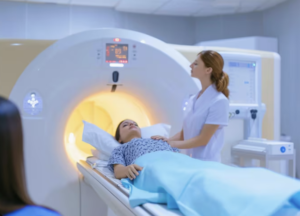
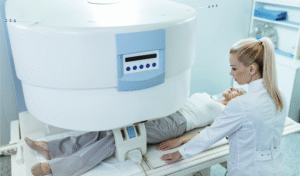
CT or MRI scans of specific organs
-
Gastroscopy and colonoscopy when recommended
A comprehensive approach allows doctors to evaluate overall health and identify potential risks at an early stage.
These programs are particularly recommended for people who:
-
are over the age of 40
-
have a family history of cancer
-
lead a sedentary lifestyle
-
have unhealthy habits
-
experience chronic stress
Why Many International Patients Choose Cancer Screening in Turkey

In recent years, Turkey has become one of the leading destinations for medical tourism. Many international patients choose to undergo screening here for several reasons:
-
advanced diagnostic technology
-
internationally accredited hospitals
-
highly experienced medical specialists
-
comprehensive check-up programs
-
more affordable prices compared to the US and Europe
Another important advantage is that many clinics offer complete screening programs within 1–2 days, which is especially convenient for international patients.
Final Thoughts
Cancer screening is one of the most powerful tools in modern medicine for fighting cancer. Regular screenings help:
-
detect cancer at an early stage
-
prevent certain types of cancer
-
increase the chances of successful treatment
-
maintain a better quality of life
Taking care of your health begins with prevention. And when it comes to cancer, time truly matters.
If you haven’t had a screening exam in a while, now may be the right time to take an important step toward protecting your future health.