Nose After Cocaine Use: When Rhinoseptoplasty Can Help
Who Needs Rhinoseptoplasty After Cocaine Use: Indications
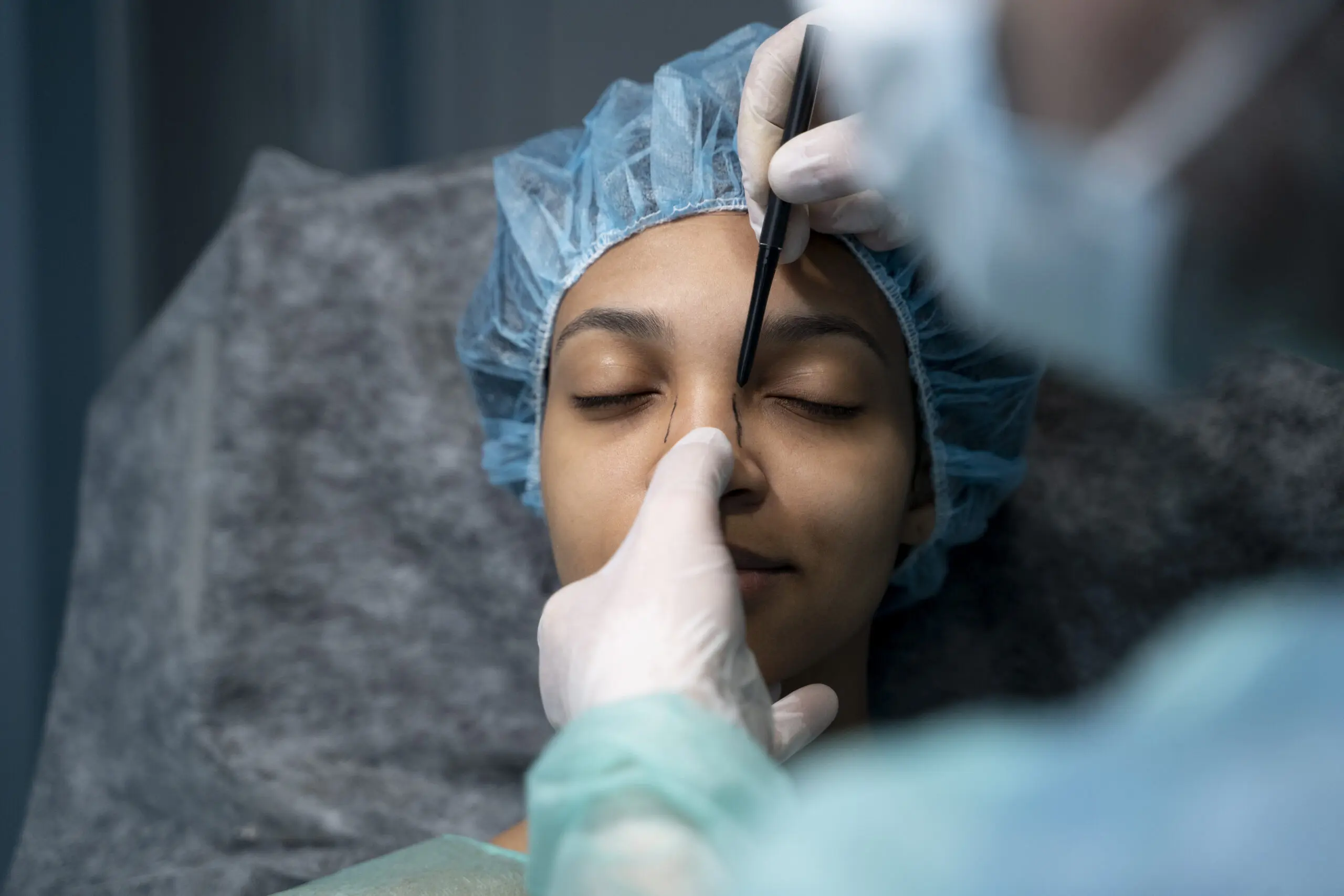
Cocaine use can have severe medical consequences for the nose and nasal septum. As a powerful stimulant of the central nervous system, cocaine causes the blood vessels to constrict and increases blood pressure inside them. This disrupted blood flow leads to insufficient oxygen supply to the tissues, gradually destroying the nasal mucosa, cartilage, and even bone structures.
At the early stages, perforations of the nasal septum and cartilage destruction may appear. With prolonged and regular use, not only the septum but also the nasal bones are affected — in severe cases, the middle zone of the face may become damaged.
Infections often accompany these injuries, which significantly complicates treatment. To perform successful rhinoplasty after cocaine use, it is crucial to completely stop using cocaine and treat any active inflammatory processes in advance.
The goal of the surgery is to restore the external shape of the nose, ensure proper breathing, and strengthen the cartilage structures. The surgeon works with two key points: the new bone and the nasal process of the maxilla. The longer a person used cocaine, the more complex and lengthy the operation becomes, but modern surgical methods make it possible to achieve excellent aesthetic and functional results.
Regular nasal inhalation of cocaine can lead to:
-
Chronic nasal congestion
-
Frequent nosebleeds
-
Ulcers and erosions of the nasal mucosa
-
Bacterial and fungal infections
-
Perforation (hole) in the nasal septum
-
Deformation of the nasal bridge or tip
-
In severe cases — damage to the midface
These changes not only affect appearance but also severely impair breathing and quality of life. Rhinoplasty after cocaine use aims to eliminate these defects, restore nasal structure, and improve functionality.
How It Differs From Regular Rhinoplasty and Why It’s More Complex
Standard aesthetic rhinoplasty is usually performed to improve the shape of the nose in patients with healthy tissues. In contrast, reconstructive surgery after cocaine use poses additional challenges:
-
Destroyed tissues – nasal cartilage is often thinned or completely absent, and the mucosa is damaged.
-
Impaired blood supply – the blood vessels in the nose recover poorly, increasing the risk of complications.
-
Need for complex reconstruction – it is necessary not only to reshape the nose but also to rebuild the framework to restore normal breathing.
-
Risk of relapse – the surgeon must ensure the patient has completely stopped using cocaine.
The operation may take longer and often requires autologous grafts (the patient’s own tissue) to reinforce the nasal structure. In cocaine-related cases, rhinoplasty may involve removing damaged tissue, reconstructing the nasal septum, and restoring its functionality.
What the Patient Should Understand Before the First Consultation
Before visiting a surgeon, patients should be aware that:
-
Results depend on the condition of the remaining tissues and overall health.
-
In most cases, rhinoplasty must be combined with septal reconstruction.
-
For severe damage, multiple surgical stages may be required.
-
Success is only possible with complete abstinence from cocaine.
The surgeon may prescribe a CT scan, endoscopic examination, and lab tests to evaluate the extent of damage.
Psychological Readiness of the Patient
Reconstructive rhinoplasty is a complex and lengthy process that requires mental preparation:
-
Have realistic expectations about the outcome.
-
Be prepared for a long recovery period.
-
Understand that the final shape of the nose forms within 6–12 months.
-
Stay motivated to maintain a healthy, drug-free lifestyle.
Preoperative Preparation
-
Complete cessation of cocaine use for at least 6–12 months before surgery.
-
Treatment of any chronic nasal infections.
-
Avoiding smoking and alcohol to improve healing.
-
Consultation with an anesthesiologist and completion of required tests.
Why a Surgeon Cannot Guarantee a 100% Successful Result After Severe Septal Perforation
With long-term cocaine use, the nose suffers extensive damage: the cartilage becomes thin, the bones are destroyed, the mucosa deforms, and blood circulation deteriorates. This makes nasal reconstruction extremely difficult.
Even an experienced surgeon cannot guarantee a fully successful outcome because:
-
There may not be enough healthy tissue for reconstruction.
-
Damaged tissues heal poorly.
-
There is a high risk of complications such as infection or recurrent deformation.
The main goal of surgery is to restore the natural shape and breathing function, but the final result depends on the condition of the tissues and the duration of cocaine use.
Would you like to get a free consultation?
Fill out the form — our medical consultant will contact you and provide a complimentary consultation.
How Rhinoseptoplasty Is Performed — Surgical Methods
Depending on the severity of the damage, different surgical approaches may be used:
-
Rhinoseptoplasty – correcting nasal shape, eliminating deformities, and aligning the nasal bridge and tip.
-
Septal reconstruction (septoplasty) – closing perforations, straightening the septum, and restoring normal nasal airflow.
-
Cartilage or skin-cartilage grafts – often using cartilage from the patient’s rib or ear. Rib cartilage is especially strong and ideal for rebuilding nasal support structures.
In severe cases, the operation may be performed in several stages to allow tissues time to recover between procedures.
Postoperative Recovery
Recovery after reconstructive rhinoplasty requires careful attention:
-
Nasal fixation with a splint and bandage for 7–10 days.
-
Regular follow-up visits to the surgeon.
-
Protecting the nose from trauma and pressure.
-
Avoiding physical exertion for 4–6 weeks.
-
Maintaining complete abstinence from cocaine to preserve the results.
Are There Scars After Rhinoplasty?
With a closed rhinoplasty, no external scars remain.
In an open technique, a small scar may appear on the columella (the strip of skin between the nostrils), but it becomes barely visible over time.
For complex reconstructions using grafts, additional small incisions may be made on the chest or ear — the donor sites for cartilage — but these scars also heal well.
Medical Tourism and Nasal Reconstruction After Cocaine Use
Such surgeries are complex and expensive, so many patients consider treatment abroad. Turkey has become a popular destination for reconstructive nasal surgery because of:
-
Highly experienced plastic surgeons specializing in nasal reconstruction.
-
Modern clinics offering full diagnostic and surgical services.
-
More affordable costs compared to Europe or the USA.
In Turkey, reconstructive rhinoplasty after cocaine use includes comprehensive medical supervision, advanced surgical methods, and a personalized treatment plan.
Restoring the nose after cocaine use is not just a cosmetic procedure — it is a major reconstructive surgery requiring an experienced surgeon and a patient fully committed to recovery.
Success is achievable only with complete cessation of drug use and strict adherence to postoperative recommendations.