
How to Properly Care for Your Hair After a Transplant
 ChatGPT
 Perplexity
 Claude
 Grok
Grok
Hair is not only an adornment but also protects the head. Therefore, after a hair transplant, it is especially important to take proper care of it. In this article, we will explain how to care for your hair after a transplant to ensure it takes root quickly and remains healthy and beautiful.
Why is hair care important?

A hair transplant is a significant procedure that requires careful attention and proper care. Transplanted hair needs special care to adapt and start growing. Inadequate care may lead to slower hair growth or even hair loss.
How quickly do transplanted hairs take root?

A hair transplant is a serious surgical procedure that can be quite costly. For this reason, many people considering this procedure want to know how quickly transplanted hair takes root and when they can enjoy the results.
The time required for transplanted hair to take root depends on various factors, such as the transplant method, the condition of the donor area, the patient’s age, and overall health. Generally, the first signs of hair growth can be observed about two weeks after the procedure. This is because transplanted hair goes through the telogen (resting) phase before starting to grow.
The full effect of a hair transplant is typically visible 6–12 months after the procedure. During this time, new hair continues to grow and strengthen, while the scalp and donor area heal completely.
However, it’s important to remember that each person is unique, and the healing time may vary. It’s also crucial to follow all post-procedure hair care recommendations to minimize the healing period and achieve the best results.
How long does the effect of a hair transplant last?

After a hair transplant, the results can last for a long time, but the final outcome depends on many factors, including the quality of the transplant, individual characteristics, and proper post-surgery hair care.
Typically, initial results are noticeable 6–12 months post-procedure. During this time, the transplanted hair should fully take root and begin to grow actively. Over the course of a year, patients may observe significant hair density improvement and overall enhancement in appearance.
In some cases, the results can last for up to 10 years or more. This depends on individual patient characteristics and the quality of care provided to the transplanted hair after surgery.
To prolong the results of a hair transplant, it’s essential to follow these care recommendations:
- Avoid strain and injury to the head during the first few weeks post-procedure.
- Refrain from wearing accessories like glasses, hats, or anything that might rub the scalp.
- Avoid high temperatures, such as hot baths or saunas, during the first few weeks.
- Do not smoke or consume alcohol, as this may slow wound healing.
- Use recommended medications and shampoos to ensure proper nourishment and protection for your hair.
- Follow your doctor’s instructions on when to start washing and styling your hair.
- Regularly visit your doctor to monitor your hair’s condition and receive additional care advice.
If you are considering or planning a hair transplant, fill out the form below to get detailed consultation from our specialists. We’ll provide all the information you need about the procedure and post-operative care to help you achieve the best possible results!
How long should you avoid touching transplanted hair?
After a hair transplant, it’s crucial to avoid actions that could damage the scalp or transplanted hair. During the initial days post-surgery, refrain from touching the scalp to protect the transplanted grafts. This includes avoiding hairstyles, clips, hats, helmets, and other accessories that might harm the scalp. Glasses that may rub against the transplanted areas should also be avoided.
The no-touch period may vary based on the transplant method and your doctor’s advice. Generally, this period lasts from 2 to 5 days. Improper handling of the scalp during recovery can lead to complications and reduced effectiveness of the procedure, so follow your doctor’s instructions carefully.
Is it safe to scratch your head after a hair transplant?

During the first few days after a hair transplant, avoid scratching your head to prevent damage to the grafts and disrupt the healing process. After this period, you may carefully brush your hair using a soft brush.
How to wash your hair after a hair transplant?

Wash your hair gently after a transplant, avoiding vigorous movements and rubbing the scalp. Use sulfate-free shampoos to protect the scalp and grafts. During drying, avoid rough towel rubbing and gently pat the hair dry instead.
Which shampoo is best after a hair transplant?

After a hair transplant, it’s important to use shampoo that gently cleanses the scalp while promoting wound healing, accelerating hair growth, and strengthening hair. Opt for a shampoo containing MOSSІ (moss-derived molecules).
MOSSІ is a natural compound with anti-inflammatory properties that stimulates hair growth. It improves scalp circulation and enhances nutrient absorption in hair follicles.
We recommend the Mossi London 6 Months Flacon Plus Hair Set, which includes a shampoo and conditioner specifically designed for post-transplant hair care.
The Mossi London Shampoo contains natural ingredients like aloe vera extract, jojoba oil, keratin, and wheat proteins, which strengthen hair, restore its structure, and protect it from environmental damage. It gently cleanses the scalp, improves blood flow
What to Wear After a Hair Transplant?

After a hair transplant, it is recommended to wear soft, not too tight headwear that will not rub the scalp or damage the transplanted hair. Good options include wide bandanas, soft baseball caps, or hats made from natural materials.
You can also wear wigs or hairpieces to help cover areas with hair loss or wounds after the procedure. However, it is not recommended to use wigs or hairpieces immediately after the hair transplant, as they may rub against the scalp and slow down the healing process.
In any case, before using any headwear or accessories, you should consult with your doctor to avoid damaging the transplanted hair or hindering the healing process.
What Should You Avoid Eating After a Hair Transplant?

After a hair transplant, it is especially important to monitor your diet, as certain foods can negatively impact hair growth and health. Here is a list of foods to avoid:
1.Fatty and fried foods: since hair transplant involves changes in the body, it is important to avoid foods that increase fat production.
2.Sweets and carbonated drinks: excessive sugar consumption can cause an insulin response, which may lead to a decrease in nutrients essential for hair growth.
3.Alcohol: alcohol consumption can negatively affect hair health by reducing the levels of vitamins and minerals necessary for hair growth.
4.Coffee: excessive coffee consumption can negatively impact hair growth as caffeine may block the absorption of certain nutrients needed for healthy hair.
5.Salty foods: excessive salt consumption can reduce body fluid levels, leading to dry hair and loss of elasticity.
Instead, you should consume foods rich in nutrients like vitamins, minerals, and proteins, which help improve hair health and accelerate growth.
How to Accelerate Hair Growth After a Transplant?

Some methods to help accelerate hair growth after a transplant include:
1. Proper nutrition, including proteins, vitamins, and minerals such as iron, zinc, vitamin B, and C.
2. Regular moisturizing of hair and scalp with masks, conditioners, and special hair growth products.
3. Scalp massage, which increases blood circulation and promotes hair growth.
4. Avoiding stress and activities that involve rapid head movements during the first few weeks after surgery.
5. Following the doctor’s instructions and attending regular check-ups.
Which Vitamins Should You Take After a Hair Transplant?

After a hair transplant, it is important to take vitamins that help accelerate hair growth and maintain their health. It is recommended to take B vitamins, including biotin, pantothenic acid, and niacin. Vitamins A, C, D, and E, as well as iron and zinc, are also useful for maintaining healthy circulation and metabolism. However, before starting any supplements, it is necessary to consult with a doctor.
What Are the Risks of a Hair Transplant?

Hair transplants can be risky if performed by an unqualified specialist or in unsuitable conditions, leading to complications such as infections, bleeding, and scars. There are also potential side effects, such as hair loss due to stress on the follicles during the procedure, as well as poor appearance of the transplanted hair. It is crucial to consult with an experienced doctor and choose only reputable clinics and specialists, and follow the recommended post-transplant hair care guidelines.
Can You Lose Hair After a Hair Transplant?
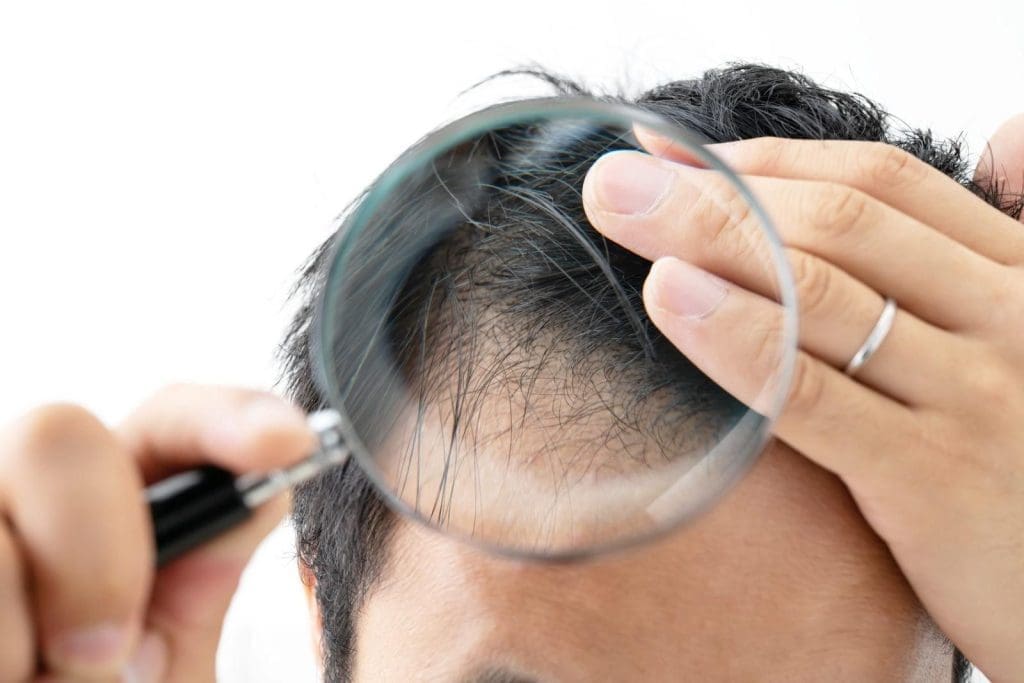
Yes, there is a risk of losing more hair after a hair transplant due to factors such as unsuccessful transplantation, infections, reactions to medications, or improper post-surgery care. However, if the patient follows the doctor’s instructions, the chances of a successful transplant and preventing further hair loss are high.
Conclusion

To sum up our findings:
- Hair transplant is an effective way to restore hair density.
- After the procedure, it is important to follow specific recommendations, such as: avoiding touching the head, using special shampoos and care products (such as the most effective The Mossi London 6 Months Flacon Plus Hair Set), avoiding physical activities, contact with water, and sun exposure.
- There are certain risks associated with the procedure, such as infections, rejection of transplanted hair, scarring, hair loss, and other complications.
- To accelerate hair growth after surgery, proper nutrition, vitamins and minerals intake, maintaining overall health, and avoiding stress are necessary.
- Before the procedure, it is essential to choose an experienced and qualified surgeon who holds the appropriate license and has relevant experience in the field. We offer our clients treatments in Turkey, which is one of the places with the lowest prices in the world, while Turkish specialists are as professional as their American or European counterparts.
Overall, hair transplant is a widely performed procedure that can help restore hair density on the scalp. However, before deciding on such surgery, it is important to carefully weigh the possible risks and side effects and choose an experienced and qualified specialist. After the surgery, it is crucial to follow all the doctor’s recommendations and take good care of the transplanted hair to achieve the best result.


