Does Hair Transplant Hurt? Honest Answer from a Doctor
Doctor Talha Sarysoy, DHI Specialist
Every day during consultations, I hear the same question:
“Doctor, does it hurt?”
And I always answer honestly. Fear of pain is the main reason why many people postpone a hair transplant for years, even when they need it.
Let’s discuss this calmly and without myths.
Who really needs a hair transplant
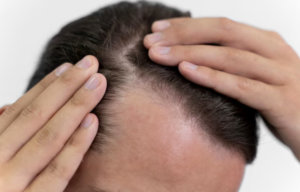
A hair transplant is not only for men with significant hair loss. Patients come to me with different situations: some notice thinning at the temples, others have a receding hairline, and some are simply tired that their hairstyle no longer looks the way it used to.
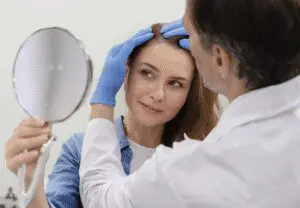
Often, these are men with androgenetic alopecia, but increasingly, women with diffuse thinning also undergo the procedure. Transplants are also effective after injuries or burns.
The important point: a hair transplant makes sense when hair loss has stabilized. Usually, this is after age 25. This is not a preventive measure — it’s a solution to an existing problem.
How the DHI hair transplant works
I work with the DHI method — one of the most advanced technologies today.
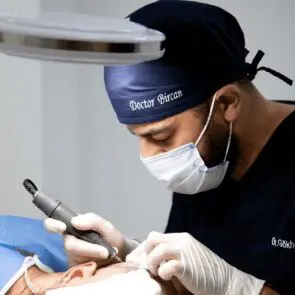
The essence of DHI is that each hair is transplanted with maximum precision using a special tool — the Choi implanter. It allows creating the channel and implanting the hair simultaneously, without unnecessary trauma to the tissue.
The procedure takes on average 6–8 hours. It is usually done in one day, occasionally in two if the transplant area is large.
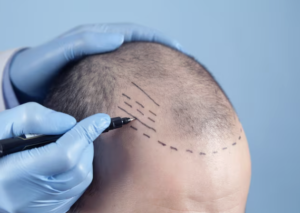
We start by discussing and designing the future hairline — one of the most important steps, as it determines how natural the result will look. Then local anesthesia is applied, followed by the extraction of grafts from the donor area (usually the back of the head) and implantation.
Does it hurt?
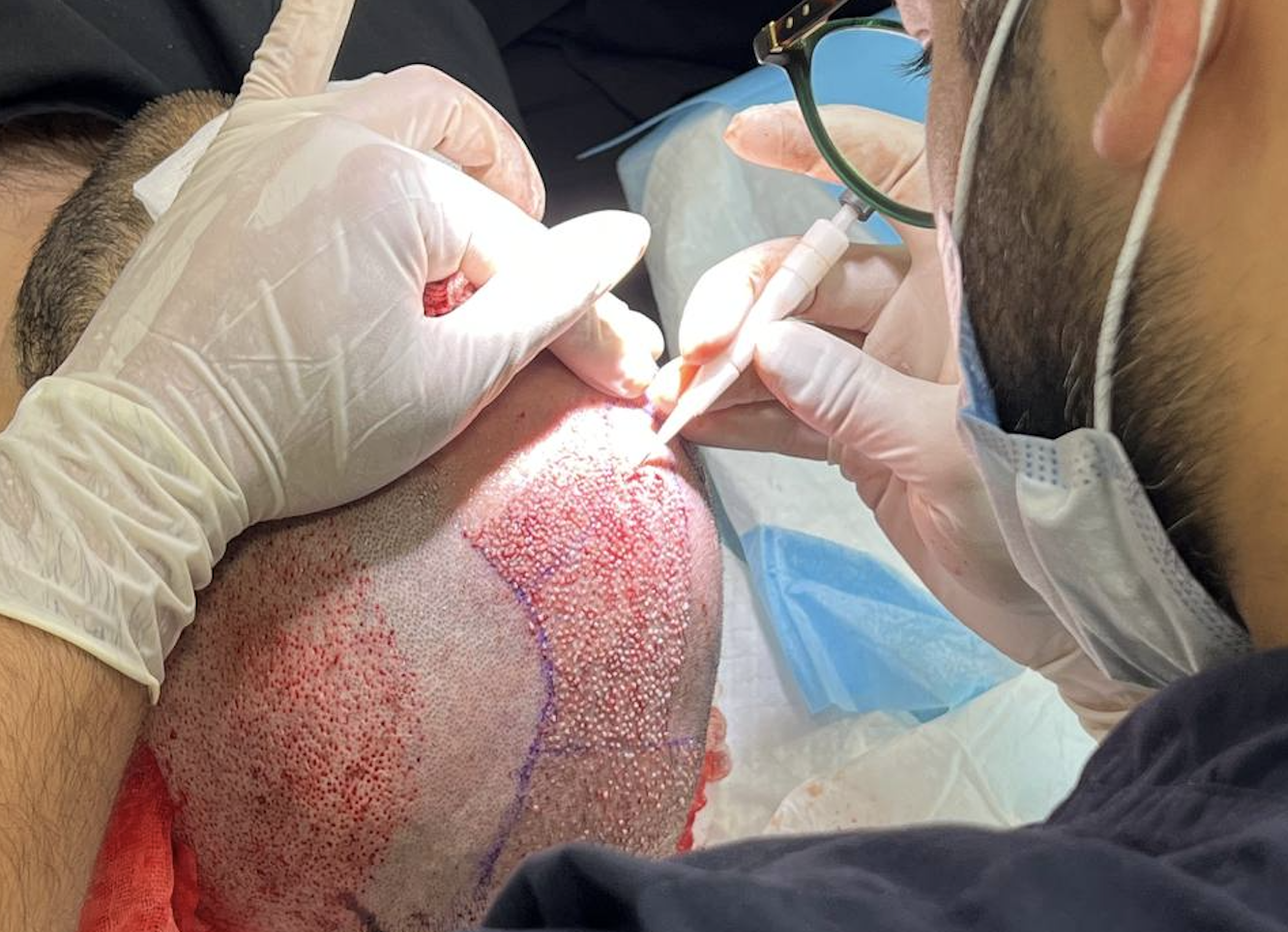
During the procedure itself, there is no pain. With local anesthesia, the patient feels nothing — only light pressure or touch.
Honestly, the most unpleasant part is the anesthesia injection. It lasts only a few minutes and feels like a regular injection.
After that, patients can comfortably watch a movie, listen to music, or even take a short nap.
What happens after the procedure
Once anesthesia wears off, slight discomfort may appear — this is normal.
Patients often describe it as a feeling of tightness or mild soreness in the transplant and donor areas. Occasionally, a small forehead swelling may occur.
But this is not severe pain and does not interfere with daily life. Light painkillers may be prescribed, but many patients manage without them.
Is recovery painful?
Recovery after a DHI hair transplant is relatively easy.
The first 2–3 days may have minor discomfort, which gradually fades. After about a week, scabs start to fall off, and by roughly 10 days, the appearance is socially acceptable.
The hardest part is not the pain, but the restrictions: sleeping carefully, following care instructions, and avoiding touching the scalp unnecessarily.
Most people return to work within 5–7 days.
When do new hairs grow?
After transplantation, hair initially sheds — this is completely normal and often alarming to patients.
New hair starts growing around 3–4 months. Initially fine, it gradually thickens.
By 6–9 months, noticeable results appear, and the final outcome forms in about a year.
Hair transplantation is a process that requires patience.
Why hair transplants really work
The main advantage is that we use the patient’s own hair follicles. They are not rejected by the body and retain their properties for life.
This means new hair grows naturally.
Unlike cosmetic treatments or procedures that provide temporary effects, a hair transplant addresses the root cause of hair loss.
If you are considering a hair transplant in Turkey, fill out the form — and our medical consultants will provide you with complete information about the procedure and prepare an individualized plan for the stages of your hair transplant.
Why transplantation is better than other methods
Many patients come to me after trying everything: ampoules, serums, PRP, vitamins.
Yes, these methods can slow hair loss or improve hair quality slightly, but they cannot restore lost hair.
Hair transplantation is the only method that restores hair where it is already lost, making it the most effective solution.
Why Turkey is a global hair transplant hub
Turkey is today a world leader in hair transplantation — and not by chance.
There is extensive experience, modern technology, and high competition among clinics, which directly affects service quality.
Patients receive a complete package: transfer, accommodation, and full medical support.
That is why people from all over the world choose Istanbul for their procedure.
If you have any doubts, it’s important not to rely only on theory, but to see the real experiences of patients.
How a hair transplant is done in Turkey — honest patient review in this video:
My honest answer as a doctor
In short:
Hair transplantation does not hurt.
There is mild discomfort at the beginning (during anesthesia) and in the first days after the procedure, but it’s not a pain worth fearing or postponing the decision for.
What matters more is this:
Hair transplantation changes not just appearance, but also a person’s confidence and inner state.
When patients come back a year later, I see not just hair — I see the confidence they regained.
And believe me, it is worth it.