Plastic Surgery: Myths and Facts You Need to Know Before Surgery
Plastic Surgery: Myths, Facts, and What You Need to Know Before Undergoing a Procedure
Performing plastic surgery is one of the most discussed topics on forums and social media. Patients share their experiences, ask questions, and raise relevant issues, but ultimately, the conversation always comes back to beauty. Although beauty is an abstract concept, each person interprets it differently. Users can be broadly divided into two groups:
-
Those who appreciate natural beauty and aging as an integral part of life.
-
Those who regularly seek corrections and enhancements from specialists.
Plastic surgeons are true “fairies of beauty,” attracting more and more people—both women and men. However, their work is often surrounded by myths and assumptions. People tend to either underestimate the risks, believing they don’t exist, or overestimate them, thinking even minor procedures can cause serious harm. Today, we debunk some of the most common myths about plastic surgery.
Myth 1: Plastic surgery should only be done at a mature age
This is not true. Age alone is not the main criterion for plastic surgery. Decisions are made based on medical indications, anatomical features, and the patient’s psychological readiness.
Modern plastic surgery addresses not only aesthetic concerns but also functional ones, such as correcting congenital features, trauma aftermath, or respiratory and hearing issues.
Facts:
-
Most aesthetic procedures are performed from age 18, when the body is fully developed.
-
Otoplasty (ear shape correction) can be done as early as 6–7 years old, as the auricle is mostly formed by that age.
-
Rhinoplasty and certain facial surgeries may be performed before 18 under strict medical indications if necessary for health (e.g., breathing problems).
Globally, age is not a limitation but one of many factors in a comprehensive patient assessment.
Myth 2: Implants cause cancer
This is one of the most persistent and scientifically debunked myths.
Breast implants do not affect cell behavior, regeneration, or transformation into malignant cells. The risk of developing cancer remains the same as before surgery. It depends on genetic predisposition and lifestyle. Causes of cancer are not fully understood, but no link with surgery has been found.
Modern breast implants undergo multi-stage international certification (FDA, CE) and do not affect:
-
Cell division
-
Genetic material
-
Hormonal balance
-
Breast cancer risk
Scientific data:
-
Large studies, including FDA and European Medicines Agency data, show that the risk of cancer in women with implants is no higher than in the general population.
-
Breast cancer development is linked to genetics, hormones, and lifestyle, not the presence of implants.
Another common myth is that breast augmentation cannot be done before pregnancy.
Fact:
Mammoplasty does not affect the ability to conceive or breastfeed, as modern techniques do not damage milk ducts. However, breast shape may change after pregnancy and lactation, with or without implants.
Myth 3: Facelifts make the face look unnatural
An unnatural, “doll-like” result is not a feature of the surgery itself but a consequence of outdated methods or incorrectly chosen tactics. Modern plastic surgery prioritizes naturalness and preserving individual facial features.
Today, a facelift is not just skin tightening. The surgeon works with both deep and superficial tissue layers, the SMAS (superficial musculoaponeurotic system), and carefully redistributes subcutaneous fat. This approach eliminates signs of aging—ptosis, sagging, and loss of contour—without creating a “mask-like” effect.
A properly performed facelift does not change facial expressions but restores freshness, contour definition, and a youthful, rested appearance. People notice not the surgery itself but that the individual looks younger and more harmonious.
Myth 4: Plastic surgery is shameful
Such beliefs originated in the last century when it was thought that naturally beautiful women did not need any enhancements, including cosmetics. Natural beauty is a gift, but over time, even the most attractive features change, the facial contour sags, and the skin loses elasticity.
Surgery helps slow the aging process and boosts self-confidence. Psychologists agree: a conscious and healthy decision to undergo surgery to maintain one’s appearance is positive, making a person feel younger, healthier, and more energetic. Innovative techniques allow for natural results.
Psychological fact:
Studies show that patients who consciously choose plastic surgery often:
-
Feel more confident
-
Improve social interactions
-
Accept age-related changes more easily
Plastic surgery is a tool for self-care, not an attempt to “remake” one’s identity.
Myth 5: Surgery cost affects quality
Price does not directly affect quality or guarantee results. It depends on the clinic’s reputation, the surgeon’s fame, and the patient’s age and preferences.
Affordable procedures are often offered by young surgeons or clinics outside major cities. Therefore, cost is not the main quality indicator. However, a properly performed procedure using modern techniques and full rehabilitation cannot be cheap.
How plastic surgery changes people
After surgery, patients often feel differently, appearing younger or achieving the desired breast size, nose shape, or facial contours. This positively impacts self-esteem and confidence, motivating them to work on themselves and embrace a new image.
The effects of surgery do not last a lifetime. Typically, results persist for 8–10 years, after which follow-up procedures may be necessary. Surgery does not alter metabolic or biochemical processes; aging continues. Exceptions exist—effects of rhinoplasty and ear corrections often last a lifetime.
For liposuction, the procedure removes excess fat but does not guarantee a slim figure, as lifestyle and diet still play a role.
To undergo or not?
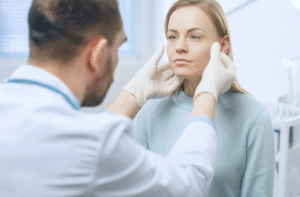
The decision is made jointly by the patient and the plastic surgeon. The doctor listens, performs necessary tests, assesses the need for surgery, and rules out contraindications.
Patients should understand that no surgery is entirely pain-free. Modern anesthetics minimize discomfort. Procedures are performed under general anesthesia, and some mild discomfort may be felt during recovery. Scars remain but are usually barely visible after healing.
Important contraindications:
-
Cancer: transplanting affected tissue may spread disease
-
Diabetes: affects organ function and blood clotting, increasing bleeding risk
-
Acute infections: lower immune defense
-
Hemophilia: poor blood clotting increases bleeding risk
-
Pregnancy or breastfeeding: medications may harm the fetus
-
Under 18 years: most procedures are for adults, except ear and ENT surgeries
-
Smoking: prolongs recovery due to slower tissue regeneration
-
Older age: patients over 65 face higher anesthesia and stress risks
Possible side effects include keloid scars, which can cause itching or discomfort.
Patients must overcome fear and trust the surgeon. Common concerns include:
-
Something going wrong: experienced surgeons perform surgeries daily and are prepared for any outcome.
-
Anesthesia: preoperative consultation ensures safe anesthesia administration.
-
Scars: surgeons use “invisible suture” techniques; additional procedures like laser correction make scars nearly unnoticeable.
Conclusion
The decision to undergo plastic surgery is always personal. Each person has unique motives, expectations, and doubts. However, it’s essential to make this choice objectively, setting aside fear and emotion. Rational thinking, weighing pros and cons, and consulting a professional help ensure a conscious and informed decision.
Have questions about plastic surgery?
Schedule a consultation today. Fill out the form below, and our medical specialists will contact you for a free consultation, answer all your questions in detail, and help you find the best solution tailored specifically for you.